
The AI infrastructure arms race is on, with $650 billion expected to be spent on data center capital expenditures. 📈 Amidst massive spending by Amazon, Microsoft, Alphabet, and Meta, one company emerges as the most crucial and likely beneficiary: Taiwan Semiconductor Manufacturing Company (TSM). Here’s a deep dive into why this chip foundry, not a GPU designer or cloud service, is positioned to be the ultimate winner. 💰

The Indispensable Factory: TSMC's Unrivaled Foundry Dominance
Whether hyperscalers fill their data centers with NVIDIA's (NVDA) GPUs or custom-designed chips from Broadcom, the vast majority of those advanced semiconductors will be manufactured by TSMC. 🔬
The chip foundry market has immense barriers to entry, leaving only a handful of credible competitors. Intel's (INTC) foundry business is struggling, and Samsung, while capable, lacks the scale and customer ecosystem to seriously challenge TSMC. This makes TSMC not just an option, but a necessity. Orders from key AI chip designers like NVIDIA, AMD, and Broadcom all flow to TSMC.
The bull and bear cases for TSMC's AI beneficiary status present a clear divide in market opinion.
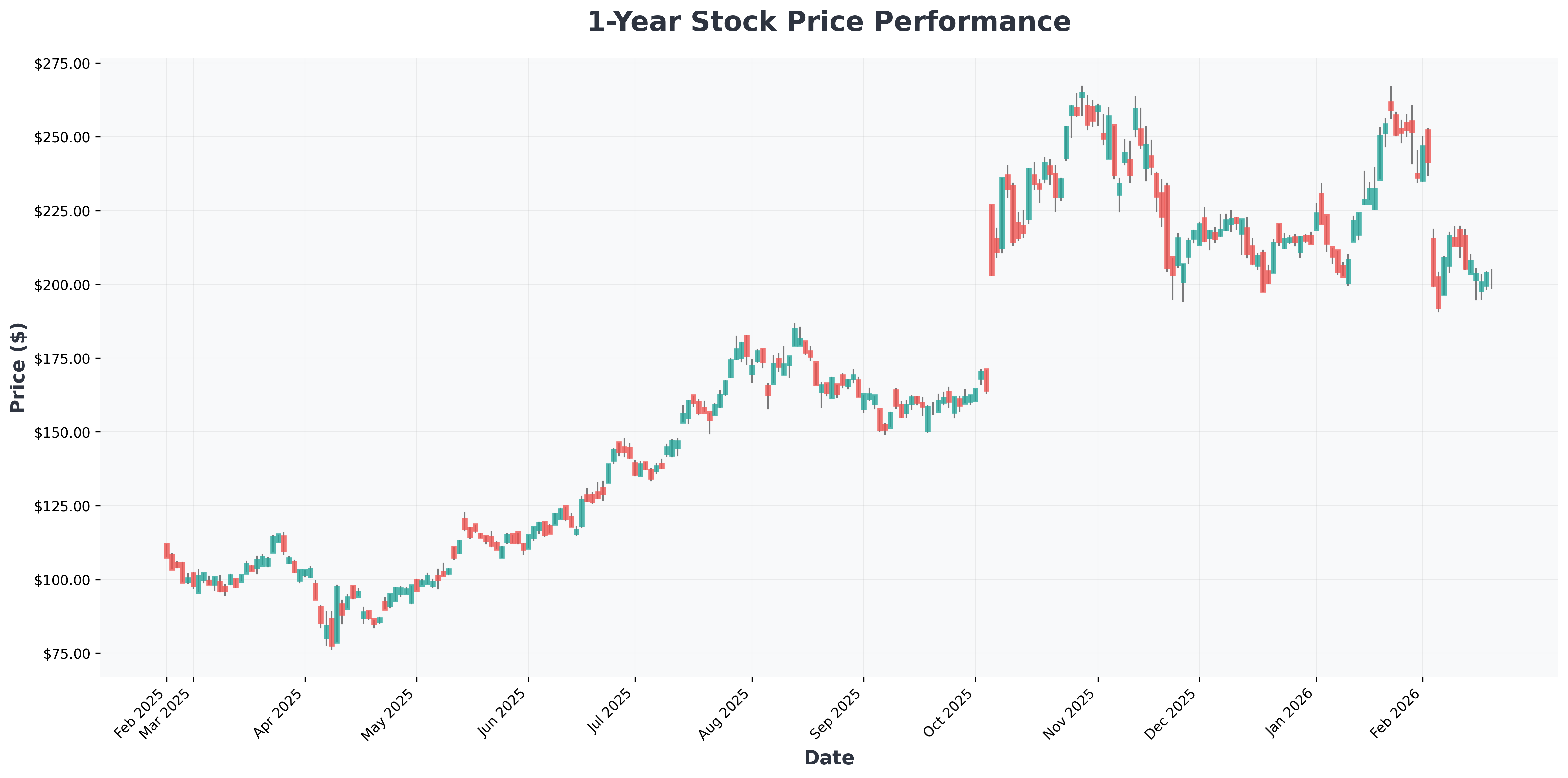

Growth Visibility: A 60% CAGR Forecast for AI Chip Revenue
TSMC management has projected that revenue from AI chips will grow at a compound annual growth rate (CAGR) of nearly 60% from 2024 through 2029. 🚀 This is a powerful signal that AI demand is a long-term megatrend, not a fleeting boom.
| Key Metric | Value | Implication |
|---|---|---|
| Projected AI Chip Revenue CAGR (2024-2029) | ~60% | Exceptional long-term growth visibility |
| Key Customers | NVDA, AMD, Broadcom, etc. | Reliance by core AI ecosystem players |
| Forward P/E Ratio | 26x | Slightly above S&P 500's 22x |
| Market Cap | ~$1.9 Trillion | World's largest semiconductor company |
As the table shows, despite its enormous growth prospects, TSMC's stock does not trade at an excessive premium compared to the S&P 500. This suggests the growth potential may not be fully priced in.
📊 In-Depth Fundamental Analysis
| Company | Share Price | P/E Ratio | P/B Ratio | ROE | Operating Margin (OPM) | Revenue Growth |
|---|---|---|---|---|---|---|
| NVDA (NVIDIA) | $190 | 46.99 | 38.80 | 107.36% | 63.17% | 62.50% |
| INTC (Intel) | $44 | 0.00 | 1.93 | 0.02% | 5.14% | -4.10% |
| AVGO (Broadcom) | $333 | 69.88 | 5.62 | 31.05% | 31.77% | 16.40% |
| AMD (Advanced) | $200 | 76.98 | 5.18 | 7.08% | 17.06% | 34.10% |
| TSM (Taiwan) | $371 | 35.22 | 56.04 | 35.22% | 54.00% | 20.50% |
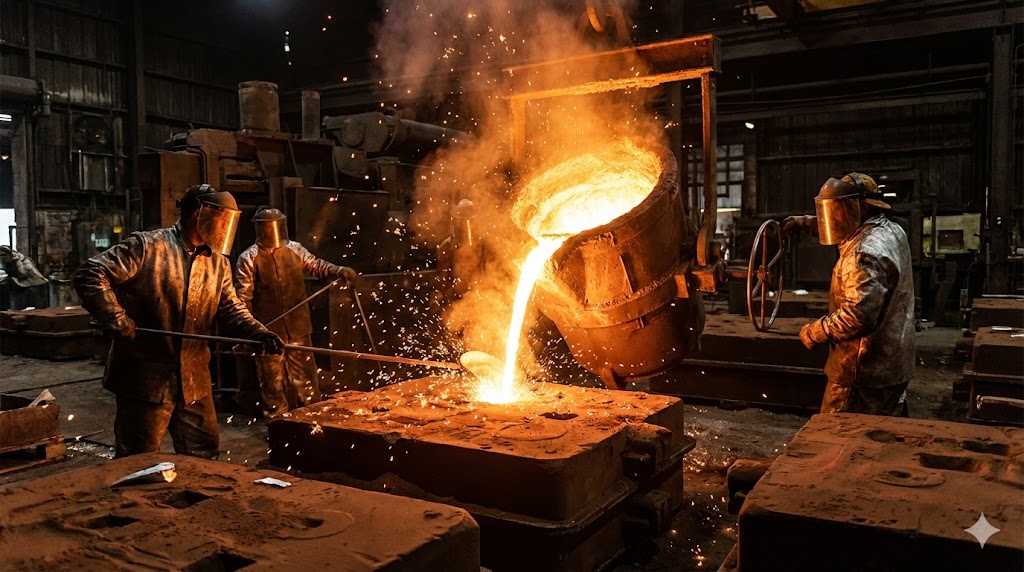
Conclusion: The Neutral Yet Powerful Core AI Holding
In summary, TSMC offers a unique way to bet on the secular growth of AI spending without picking winners among specific chip designers. 🔥 Its overwhelming market share and high barriers to entry create a formidable economic moat, positioning it to benefit regardless of which hyperscaler or chip designer wins.
Investment Thesis Points:
- Essential AI Infrastructure: No matter which AI chip wins, its production line likely runs through TSMC.
- Long-Term Growth Visibility: Management's 60% CAGR forecast is a strong growth signal.
- Reasonable Valuation: The stock's valuation remains reasonable relative to its massive growth runway.
Check out our comparison analysis of leading companies in the emerging eVTOL (air taxi) industry.
Disclaimer: This content is for informational purposes only and does not constitute investment advice or a recommendation. All investment decisions should be based on your own research and judgment, and you should consult with an independent financial advisor if necessary. Past performance is not indicative of future results.