The race to dominate the robotaxi market just took a dramatic turn. While Alphabet's Waymo has been the clear leader in operational miles and Tesla has been the master of hype, it was Amazon (AMZN) that just landed a major regulatory victory. The National Highway Traffic Safety Administration (NHTSA) has granted Amazon-owned Zoox temporary permission to commercially deploy its fleet of purpose-built, steering-wheel-free robotaxis. 🚨
This isn't just another approval; it's a paradigm shift. Unlike Waymo, which modifies existing vehicles from traditional automakers, Zoox has built its vehicle from the ground up. This design-first approach, free from manual controls, represents the true future of autonomous mobility. The approval allows Zoox to begin charging for rides and deploy up to 2,500 vehicles annually for two years, starting in Las Vegas. This is a direct challenge to the established order and a signal that Amazon is playing to win.
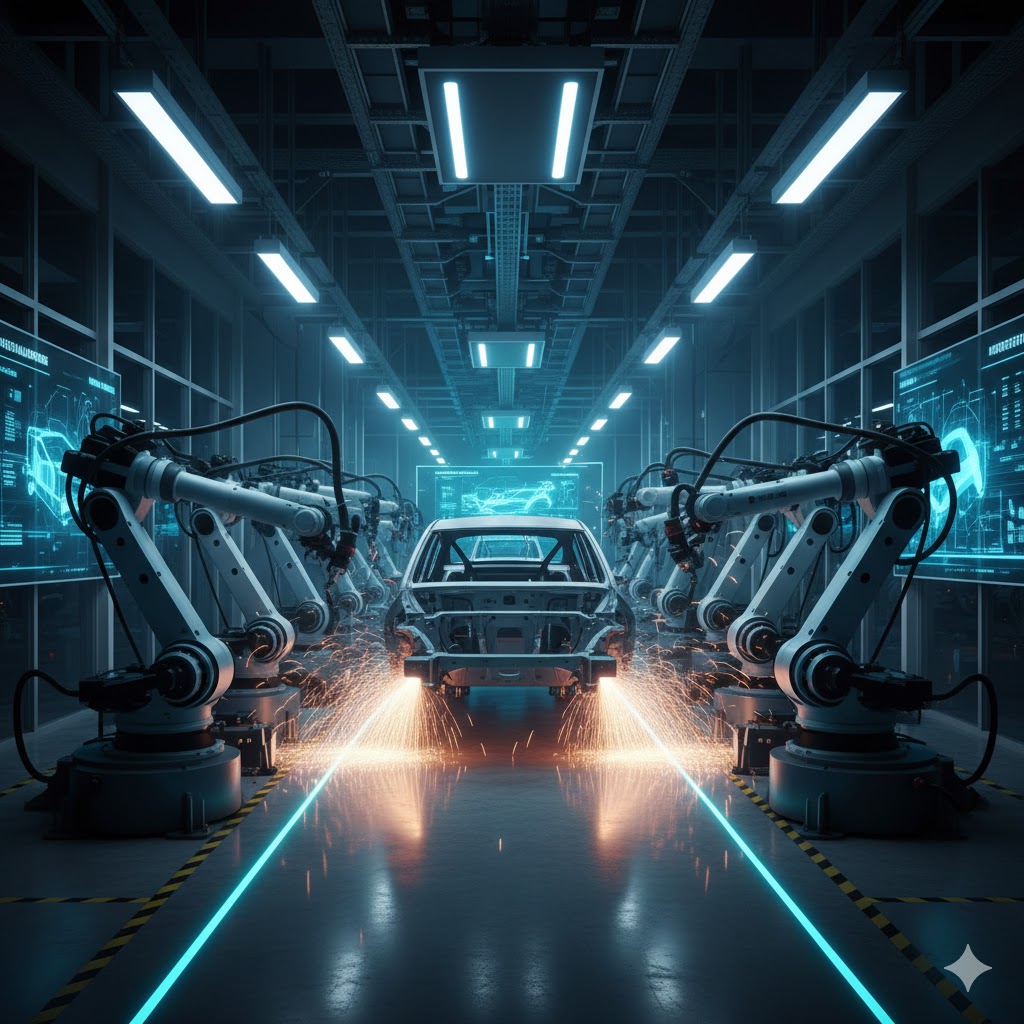
The Zoox Advantage: Purpose-Built vs. Retrofitted 🛠️
The core of this story lies in the fundamental difference in engineering philosophy. Waymo's fleet consists of retrofitted Jaguar I-PACEs and Chrysler Pacificas. These are excellent vehicles, but they are constrained by their legacy design. The Zoox vehicle, on the other hand, is a symmetric, carriage-style pod designed for dense urban environments. It has no steering wheel, no pedals, and seats four passengers facing each other.
This design isn't just for show; it offers several advantages:
- Optimized for Autonomy: The vehicle's sensors and computing are integrated from the start, not added on.
- Lower Operating Costs: A purpose-built EV is likely to be more durable and efficient for high-mileage robotaxi duty.
- Passenger Experience: The interior is designed as a mobility experience, not a car, which could be a significant differentiator in attracting riders.
As Jonathan Morrison of NHTSA stated, "We can say pretty clearly that the systems in place on the Zoox exceed the equivalent performance requirements of a compliant vehicle." This is a strong endorsement of the safety of Zoox's approach. For context on the broader EV market and its long-term potential, you might find our analysis of 3 Tech Stocks for a Lifetime Portfolio interesting, as it touches on the future of transportation.
This landmark approval has sparked a fierce debate among investors about who will ultimately win the robotaxi race. On one side, you have the data and experience of Waymo; on the other, the engineering and scale of Amazon. Let's listen in on the conversation.
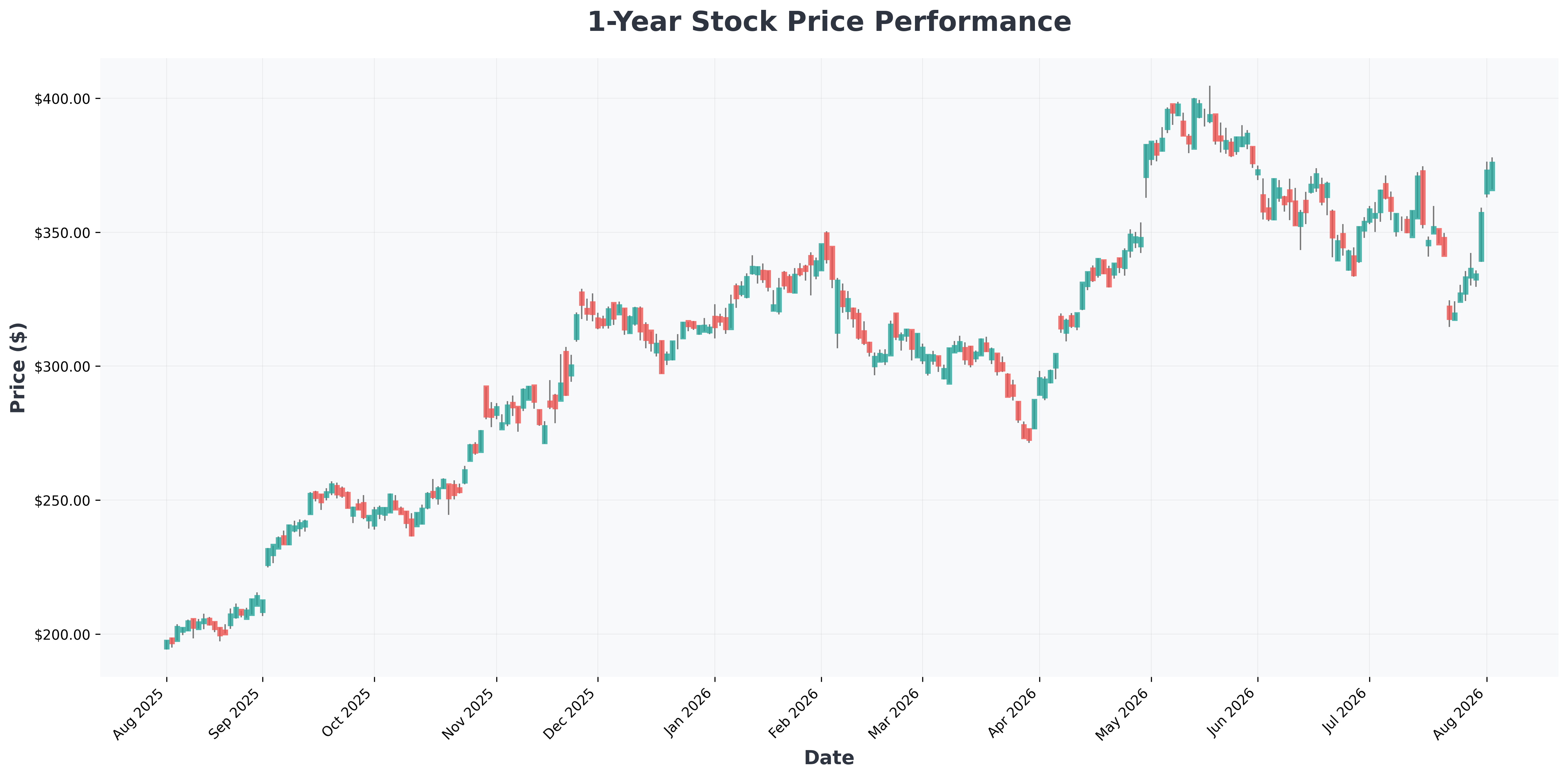

The Pressure Mounts on Tesla and Waymo ⚔️
This approval serves as a stark reminder to Tesla (TSLA) that its robotaxi ambitions are still largely theoretical from a regulatory standpoint. While Tesla is operating an unsupervised service in select cities like Austin and Miami, it lacks the federal approval to deploy a purpose-built fleet. Elon Musk's vision of a Cybercab without a steering wheel will require its own NHTSA approval, which is far from guaranteed.
For Waymo, the challenge is different. It faces a new competitor with the virtually unlimited financial backing of Amazon. Waymo has a massive head start in operational data, but Zoox has the regulatory green light to scale a more advanced vehicle. The market is no longer a two-horse race; it's a three-way battle for the future of urban mobility.
Bull vs. Bear: The Battle for the Future of Mobility
This news has split the investment community. Let's break down the two main perspectives.
📊 In-Depth Fundamental Analysis
| Company | Share Price | P/E Ratio | P/B Ratio | ROE | Operating Margin (OPM) | Revenue Growth |
|---|---|---|---|---|---|---|
| TSLA (Tesla,) | $324 | 286.57 | 14.46 | 4.67% | 1.41% | 25.50% |
| GOOGL (Alphabet) | $363 | 17.34 | 7.13 | 48.68% | 34.03% | 24.20% |
| GOOG (Alphabet) | $360 | 17.31 | 7.08 | 48.68% | 34.03% | 24.20% |
| AMZN (Amazon.com,) | $271 | 21.85 | 5.31 | 30.56% | 13.69% | 19.60% |

What It All Means: Scenarios and Conclusion 📊
Best-Case Scenario for Zoox: Zoox successfully scales in Las Vegas and other markets, proving its business model. Its purpose-built vehicle becomes the industry standard, and Amazon's logistics expertise helps it achieve profitability faster than competitors. This could make Amazon a dominant force in the multi-trillion-dollar mobility market.
Worst-Case Scenario for Zoox: The temporary approval is not renewed, or the company faces unforeseen technical or operational challenges. The high cost of scaling and competing with Waymo's data advantage could prove too much, turning this into a costly experiment for Amazon.
For Tesla and Waymo: This is a wake-up call. Tesla needs to accelerate its regulatory strategy, while Waymo can no longer rely on its first-mover advantage alone. The competition will drive innovation, but it will also increase capital requirements.
Conclusion: Amazon's Zoox has achieved a massive strategic victory. It has moved from a challenger to a legitimate leader in the race to commercialize true autonomous vehicles. For investors, this is a key development to watch, as it directly impacts the long-term thesis for Amazon, Tesla, and Alphabet. The era of the steering wheel may be ending sooner than many thought. If you're interested in how this competitive pressure and potential for a bubble in the AI space is being debated, check out our piece on the SpaceX IPO and the AI Bubble Debate. Always remember that investing in autonomous driving tech involves significant risks, and it's crucial to do your own research.