
The escalating global threat of Antimicrobial Resistance (AMR) is paradoxically fueling growth in the antibiotics market. 🦠 A recent report by Mordor Intelligence projects the market to expand from $57.86 billion in 2026 to $70.64 billion by 2031, registering a Compound Annual Growth Rate (CAGR) of 4.07%. This signals a market driven not just by routine infection treatment, but by the urgent scientific race against superbugs.

Twin Engines of Growth: Demand and Innovation ⚙️
The report highlights two primary growth drivers:
- Inevitable Demand Increase: The global burden of infectious diseases—including respiratory, urinary tract, and hospital-acquired infections—continues to rise. Growth in surgical procedures and critical care admissions is expected to sustain prophylactic and therapeutic antibiotic demand.
- Innovation-Led Response: The spread of AMR presents both a crisis and an opportunity. Pharmaceutical companies are accelerating the development of novel drug classes and combination therapies targeting multi-drug resistant organisms. Advances in rapid diagnostic testing also support more precise antibiotic stewardship.
Regionally, Asia-Pacific is emerging as a high-growth area, fueled by population trends, improving healthcare access, and expanding pharmaceutical manufacturing. North America and Europe, supported by advanced infrastructure and strong antibiotic stewardship programs, are expected to maintain stable, significant market shares.
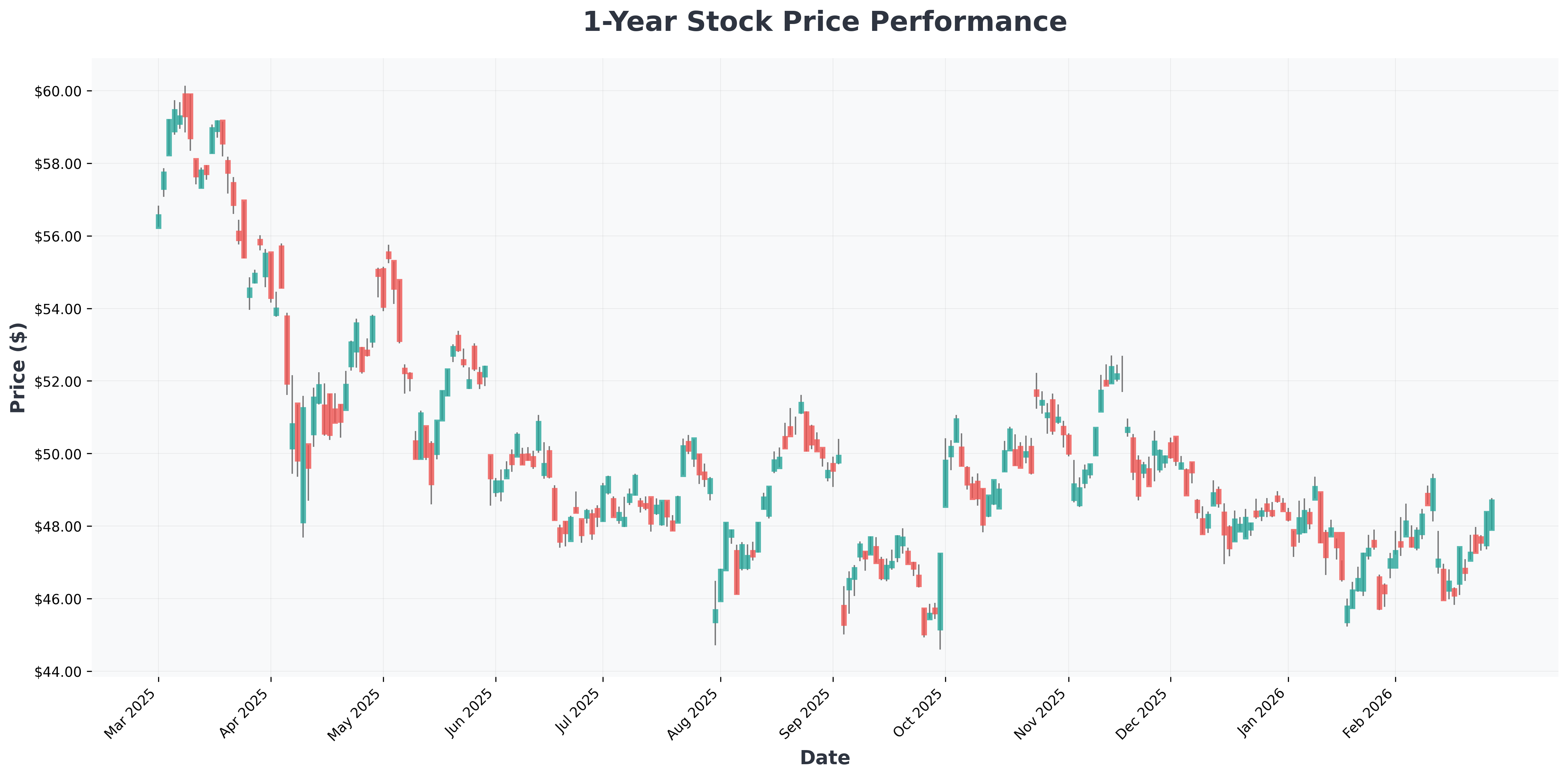
Despite the steady growth outlook, market opinions on the investment attractiveness of the antibiotics sector are divided.

Best & Worst Case Scenario Analysis 🔍
Based on this outlook, we analyze potential scenarios that could impact the market trajectory.
| Scenario Type | Trigger Conditions | Market Impact (2031 Estimate) | Key Rationale |
|---|---|---|---|
| Best Case (Bullish) 🚀 | - Major novel-mechanism drug commercial success - Significant global policy & funding for AMR - Diagnostic tech drastically improves prescribing efficiency | ~ >$75B (CAGR ~5%) | Accelerated ROI on innovation and market expansion. Public-private partnerships energize R&D ecosystem. |
| Base Case (Consensus) 📈 | - Current trends persist (Report Forecast) - Gradual new drug launches & regional demand growth | ~ $70.64B (CAGR 4.07%) | Mordor's core forecast. Stable demand meets sustained, incremental innovation. |
| Worst Case (Bearish) 📉 | - Key pipeline clinical trial failures cascade - Global recession pressures healthcare budgets - Regulatory hurdles delay new drug approvals | ~ <$65B (CAGR ~2%) | Eroded investor confidence and loss of growth momentum. Increased pricing pressure hurts profitability. |
Investors should monitor the strength of pharma R&D pipelines and the trajectory of global health policy. As explored in the analysis of the AI and ESG-driven post-investment management market, understanding tech and policy trends is crucial for long-term positioning.
📊 In-Depth Fundamental Analysis
| Company | Share Price | P/E Ratio | P/B Ratio | ROE | Operating Margin (OPM) | Revenue Growth |
|---|---|---|---|---|---|---|
| ABT (Abbott) | $114 | 30.73 | 3.81 | 12.96% | 21.62% | 4.40% |
| AZN (AstraZeneca) | $204 | 31.18 | 6.51 | 22.84% | 21.59% | 4.10% |
| BAYRY (Bayer) | $12 | 0.00 | 0.33 | -0.57% | -5.62% | -3.10% |
| GSK (GSK) | $58 | 15.53 | 10.61 | 43.31% | 16.67% | 6.20% |
| JNJ (Johnson) | $248 | 22.46 | 7.31 | 35.03% | 23.97% | 9.10% |
| LLY (Eli) | $1,025 | 44.71 | 34.57 | 101.16% | 44.90% | 42.60% |
| MRK (Merck) | $121 | 16.64 | 5.70 | 36.88% | 32.77% | 5.00% |
| PFE (Pfizer,) | $27 | 20.05 | 1.79 | 8.89% | 23.95% | -1.20% |
| SNY (Sanofi) | $48 | 20.09 | 0.68 | 6.65% | 14.26% | 6.90% |

Conclusion: A Defensive Sector with Growth Optionality 👨⚕️
The antibiotics market carries traits of 'Healthcare Essentials,' being relatively less sensitive to economic cycles, as infections occur irrespective of macroeconomic conditions. Thus, it can be considered a defensive component within a portfolio during market volatility.
However, for investors seeking genuine alpha, look beyond simply riding the overall market growth. Focus should be on identifying companies with innovative technologies (novel drugs, diagnostics, therapies) capable of solving the AMR challenge. This mirrors the principle behind seeking outperformance, similar to the approach discussed in the comparison of growth-focused VOOG ETF versus the broad S&P 500, highlighting the need for selective bets to outperform the market average.
🚨 Disclaimer: This content is for informational purposes only, based on the Mordor Intelligence report and public data, and is not investment or financial advice. All investment decisions involve risk and should be made based on your own research and consultation with a qualified professional. Market forecasts are estimates and actual results may vary.