The market for atopic dermatitis (AD) treatments is on a clear upward trajectory, with projections indicating a climb from USD 15.92 billion in 2025 to USD 33.42 billion by 2035. This growth, representing a 7.7% CAGR, is not merely a function of rising prevalence—which already affects over 200 million people globally—but is being fueled by a fundamental shift in how we approach this chronic inflammatory skin disease. 📈
For investors, this is a signal to look beyond the blockbuster success of drugs like Dupilumab. The future landscape is being shaped by next-generation targeted therapies and the looming entry of biosimilars, which promise to reshape market dynamics entirely. Let's break down the strategic outlook and what it means for the key players involved.

The Strategic Shift: From Symptom Management to Durable Remission
The current standard of care for moderate-to-severe AD is evolving. While topicals remain the first line of defense and biologics like Dupilumab have revolutionized treatment, the industry is now aiming for a new goal: durable remission. The recent Phase 3 GRACE trial data for Sanofi's amlitelimab, an anti-OX40L antibody, is a case in point. The finding that 57% of patients remained in remission 36 weeks after stopping treatment is a powerful indicator of where the market's future value lies. 💡
This shift towards remission-inducing therapies is a critical investment theme. It suggests a potential move away from chronic, lifelong treatment paradigms, which could paradoxically reduce the long-term patient pool for continuous therapies even as it commands premium pricing for its curative potential.
This shift toward remission-inducing therapies is generating a significant debate among industry analysts about the long-term market potential.

The Biosimilar Threat and Opportunity
The biggest near-term strategic challenge for incumbents is the patent cliff. With Dupilumab's patent expiring, the development of biosimilars is set to introduce a wave of competition. This is a double-edged sword. While it will lower prices and improve patient access, it will also erode the staggering peak sales of approximately USD 9 billion that Dupilumab currently enjoys. For a deeper dive into how market dynamics shift when major patents expire, you can review our analysis on Vehicle Control Unit (VCU) Market Poised to Hit $96.8B by 2035, Driven by EV Surge and SDV Shift, which highlights similar disruption patterns in other high-growth sectors.
Below is a snapshot of the current market structure and its projected evolution:
| Segment | 2025 Market Share / Status | Fastest-Growing / Future Trend | Key Insight |
|---|---|---|---|
| By Class | Biologics (42% share) | PDE4 Inhibitors | Biologics dominate for severe cases, but non-steroidal topical options are gaining traction. |
| By Route | Topical (55% share) | Oral | Topicals are the entry point; oral systemics are growing for moderate-to-severe patients. |
| By End Use | Retail Pharmacies (48% share) | Hospital Pharmacies | Retail is key for accessibility, but hospitals are becoming hubs for advanced biologic administration. |
| By Region | North America (36% share) | Asia Pacific (China & India CAGRs >11%) | North America leads in revenue; APAC leads in growth rate due to high prevalence and improving access. |
📊 In-Depth Fundamental Analysis
| Company | Share Price | P/E Ratio | P/B Ratio | ROE | Operating Margin (OPM) | Revenue Growth |
|---|---|---|---|---|---|---|
| PFE (Pfizer,) | $28 | 37.43 | 1.90 | 5.01% | 27.88% | 2.60% |
| ABBV (AbbVie) | $256 | 73.48 | -76.35 | 0.00% | 40.03% | 10.20% |
| REGN (Regeneron) | $828 | 20.49 | 2.62 | 14.04% | 33.11% | 16.70% |
| LLY (Eli) | $1,149 | 38.91 | 30.24 | 102.29% | 54.22% | 47.70% |
| JNJ (Johnson) | $275 | 32.27 | 7.80 | 25.74% | 29.19% | 6.60% |
| SNY (Sanofi) | $44 | 23.53 | 1.33 | 5.71% | 21.03% | 14.60% |
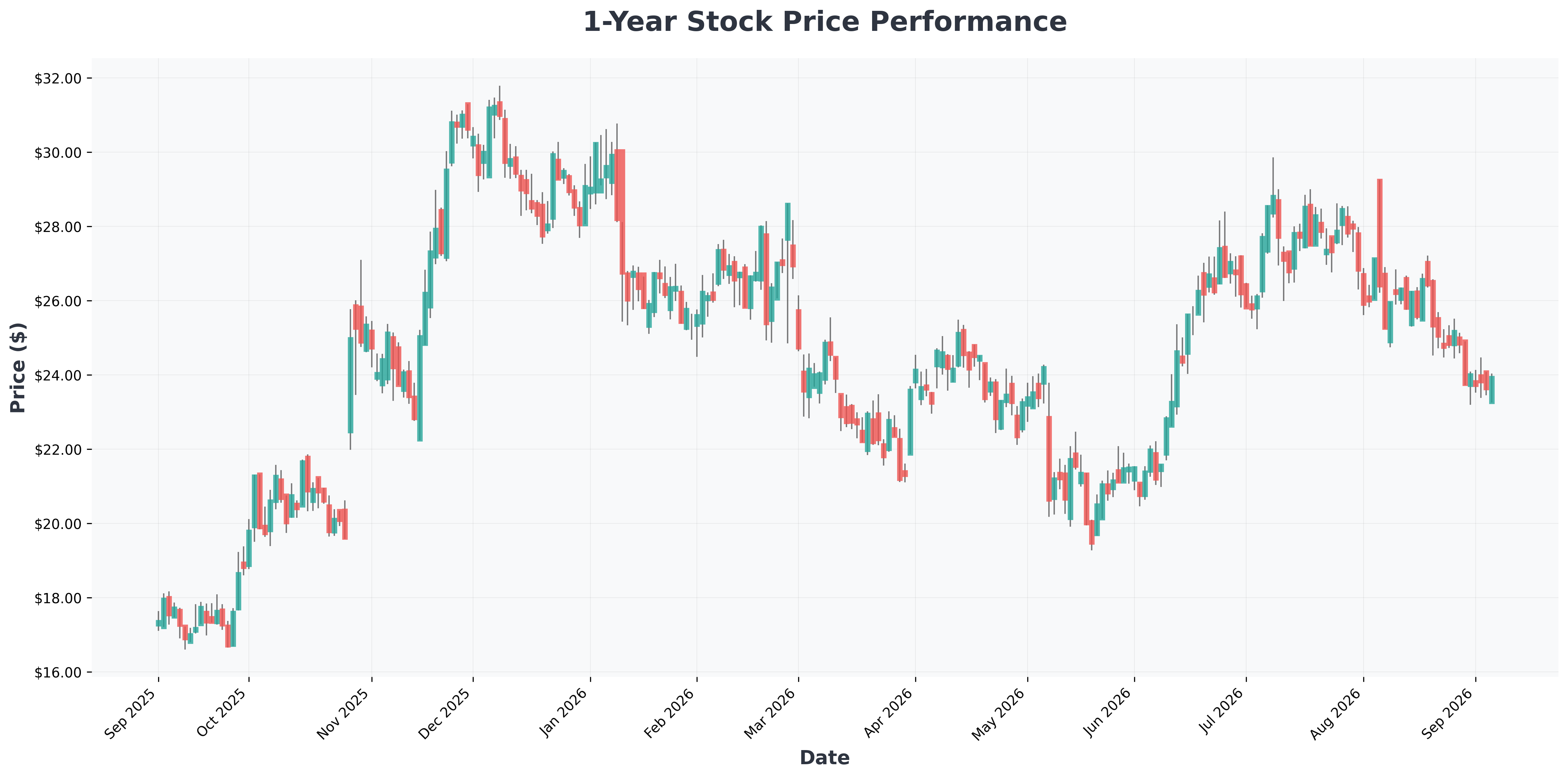
| ARQT (Arcutis) | $24 | 108.64 | 13.61 | 15.86% | 12.65% | 59.30% |
| NVS (Novartis) | $160 | 24.17 | 7.32 | 30.35% | 34.62% | 0.80% |
| BMY (Bristol-Myers) | $67 | 14.72 | 6.12 | 46.60% | 34.42% | 5.70% |

Conclusion: Navigating the Next Decade of Dermatology
The next decade will be defined by a battle between innovation and economics. The push for durable remission offers a compelling new frontier, but the financial viability of current market leaders will be tested by biosimilar competition. The key for investors is to watch how companies like Sanofi with amlitelimab, and others developing next-gen JAK inhibitors, navigate this transition. In this context, understanding the importance of strong management is critical; for a case study on how leadership changes can impact a company's strategic direction, see our article on Crown Point Energy (CWV) Shakes Up Leadership Former CEO Returns as Interim, Investment Banker Named CFO.
The companies that succeed will likely be those that can not only develop superior drugs but also demonstrate value through long-term efficacy and safety data, ultimately offering a more compelling case to payers and patients alike. 🚨