Bill Ackman isn't exactly known for being trigger-happy. His fund, Pershing Square, famously runs one of the most concentrated portfolios on Wall Street, with just 14 companies at the end of Q2. So when the latest 13F filing revealed three new, roughly $1.1 billion positions in a single quarter, the market took notice. 📊
This isn't just a splashy move; it's a thesis. Ackman has essentially built a portfolio within a portfolio, dedicating about 17% of his fund to a trio of companies that share one compelling trait: they collect a small fee on transactions they don't originate, fund, or take risk on. 🏦
This is the classic 'toll booth' investment model, and Ackman has just built a $3.3 billion highway. Let's break down why he's making this bet and whether it's a strategy worth copying.
The 'Toll Booth' Business Model: A Deep Dive 🛣️
The genius of Visa (V), Mastercard (MA), and S&P Global (SPGI) isn't in creating products; it's in owning the essential infrastructure that other businesses and consumers must use.
-
Visa & Mastercard: These are the digital rails of the global economy. They don't issue cards or lend money, so they don't take on credit risk. Instead, they sit between banks and merchants, taking a minuscule fee from every single transaction. In Visa's fiscal Q3, they processed 71.7 billion transactions, generating $11.6 billion in net revenue with an operating margin near 60%. Mastercard saw gross dollar volume rise 8% to $2.9 trillion. They get paid whether the economy booms or busts, as long as people are spending. 💳
-
S&P Global: This is the 'toll booth' for the capital markets. Every time a company issues debt, they pay S&P for a credit rating. Every time an investor buys an index fund, the fund manager pays S&P licensing fees. In Q2, their ratings revenue jumped 17%, and index revenue grew 20%. They're monetizing the sheer act of borrowing and investing, regardless of who wins or loses. 📈
This massive bet on 'toll booth' businesses has split Wall Street. Is this a brilliant move for long-term compounding, or is Ackman overpaying for safety in an uncertain market? Let's look at both sides of the trade.
The Durability Premium: Is the Price Worth It? ⚖️
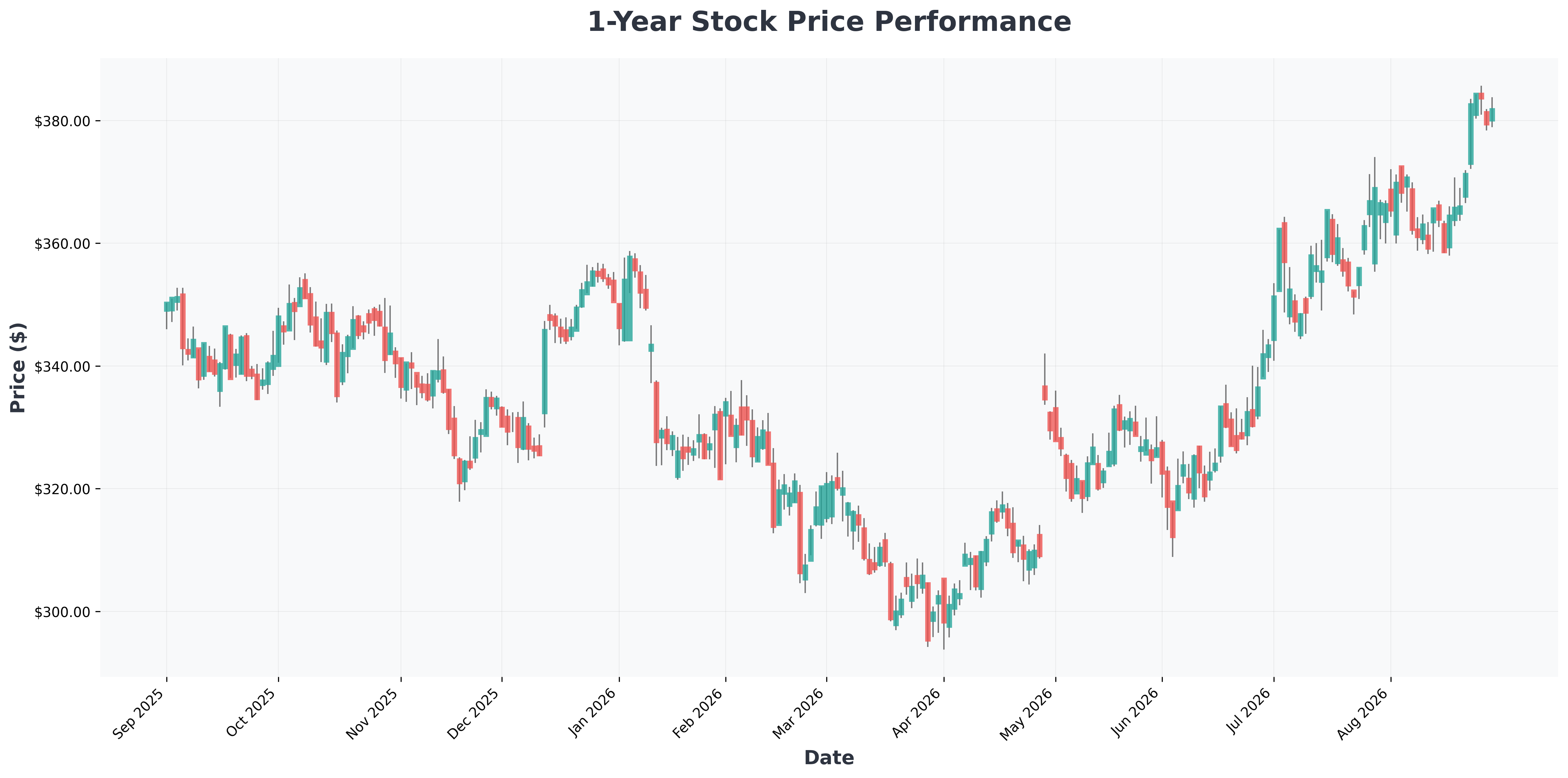
Ackman's bet is on durability, not value. This is a crucial distinction. These aren't cheap stocks trading at a discount. Visa trades within 1% of its 52-week high at a forward P/E of ~26. Mastercard is similarly priced.
However, the quality of the earnings is exceptional. These businesses generate staggering amounts of free cash flow with minimal capital expenditure. Visa alone returned $6.2 billion to shareholders last quarter. In a world of constant disruption, these companies have moats that seem almost impenetrable. The risk isn't that the business model fails; it's that the market gets ahead of itself, capping near-term upside.
Scenario Analysis:
| Scenario | Likelihood | Impact on V/MA/SPGI | Key Driver |
|---|---|---|---|
| Best Case 📈 | 30% | +20-30% | A 'soft landing' where global GDP growth persists, driving consumer spending and debt issuance. The 'toll booths' collect record fees. |
| Base Case ⚖️ | 50% | +5-10% | Moderate economic growth. Volumes grow steadily, but valuations remain range-bound as investors wait for better entry points. |
| Worst Case 📉 | 20% | -10-15% | A severe global recession. Transaction volumes and debt issuance decline significantly, slowing revenue growth. However, the 'toll booth' model ensures they remain highly profitable, providing a floor on the downside. |
📊 In-Depth Fundamental Analysis
| Company | Share Price | P/E Ratio | P/B Ratio | ROE | Operating Margin (OPM) | Revenue Growth |
|---|---|---|---|---|---|---|
| AMZN (Amazon.com,) | $266 | 21.43 | 5.21 | 30.56% | 13.69% | 19.60% |
| SPGI (S&P) | $443 | 26.99 | 4.14 | 14.26% | 44.79% | 10.40% |
| NFLX (Netflix,) | $82 | 25.14 | 11.29 | 49.54% | 33.38% | 13.40% |
| MA (Mastercard) | $595 | 32.76 | 93.07 | 241.20% | 61.11% | 14.10% |
| GOOGL (Alphabet) | $347 | 17.39 | 6.81 | 48.68% | 34.03% | 24.20% |
| V (Visa) | $382 | 32.53 | 20.22 | 61.19% | 66.13% | 14.40% |
| UBER (Uber) | $79 | 17.29 | 5.89 | 37.16% | 13.32% | 12.20% |
| GOOG (Alphabet) | $343 | 17.21 | 6.74 | 48.68% | 34.03% | 24.20% |

Conclusion: A Bet on the Unstoppable March of Global Finance 🌍
Bill Ackman's $3.3 billion cluster is a clear statement: he's betting against the collapse of the global financial system. He's buying the picks and shovels of capitalism. While the premium valuations might give a value investor pause, the long-term compounding power of these businesses is undeniable.
For investors, the takeaway isn't to blindly copy the trade, but to understand the philosophy. Building wealth isn't always about finding the next big thing; sometimes it's about owning the infrastructure that everything else runs on. This is a masterclass in identifying durable, fee-based compounders. 🚀
Disclaimer: This article is for informational purposes only and does not constitute financial advice. Investing involves risk, including the potential loss of principal. Always conduct your own research before making investment decisions.
Recommended Reads:
- Cathie Wood's $362 Million CRISPR Therapeutics Bet: Why the Market Is Missing the Real Catalyst
- Institutional Token Architecture Wars: Coinbase (COIN) vs. Trump Media (DJT) – Who Leads Digital Finance?