The $591 Billion Shift: From Reactive Treatment to Proactive Nutrition 🚀
The global food and beverage landscape is undergoing a structural transformation that investors cannot afford to ignore. According to BCC Research, the functional foods and beverages market is on track to expand from $365.1 billion in 2024 to $591.7 billion by 2030, representing a robust 8.6% CAGR.
This is not merely a consumer trend; it is a fundamental reallocation of wallet share. Consumers are actively displacing conventional food spending in favor of products that target digestive health, cardiovascular wellness, and cognitive function. For investors, this signals a premiumization cycle that could drive margin expansion across the FMCG sector.
📌 Key Takeaway: The addressable market is expanding at every income tier, with North America currently holding a dominant 34.3% share.

Regional Dynamics: North America Leads, Asia-Pacific Accelerates 🌏
While North America remains the largest regional market, supported by high health literacy and mature digital retail infrastructure, the fastest growth is occurring in Asia-Pacific. Rapid urbanization and rising middle-class incomes in China, India, and Southeast Asia are channeling health-aware consumers toward modern retail environments.
The Beverage Advantage
Beverage formats hold a structural competitive advantage due to shorter innovation timelines. This allows manufacturers to rapidly iterate formulations targeting immunity, gut health, and cognitive performance. Global FMCG corporations are prioritizing beverage-led functional strategies to accelerate consumption frequency.
Strategic Implication: Companies with diversified format strategies across both foods and beverages are best positioned for value creation. For a broader look at how digital infrastructure is reshaping healthcare and nutrition, see our analysis of the Healthcare Services Market to Hit $20.1 Trillion by 2035, which highlights the convergence of telehealth and AI in preventive care.
The investment community is divided on whether the premiumization trend can sustain current valuations. Here is the debate:

Competitive Landscape & Tech Frontier 🧬
The competitive landscape is defined by global FMCG majors, specialist nutrition companies, and biotech challengers. Key players include Nestlé, PepsiCo, The Coca-Cola Co., Danone, Abbott, Unilever, General Mills, Mondelēz International, and The Kraft Heinz Co.
Emerging technologies are reshaping the frontier:
- Microbiome science and next-generation probiotic formulations
- AI-driven personalized nutrition platforms
- Encapsulation and bioavailability enhancement technologies
- Plant-based and alternative protein systems
Regulatory-driven sugar reduction requirements are also accelerating reformulation toward functional zero-sugar and botanical alternatives. This regulatory pressure acts as a moat for large incumbents with the R&D budgets to reformulate at scale.
Technical Insight: The Premiumization Backtest
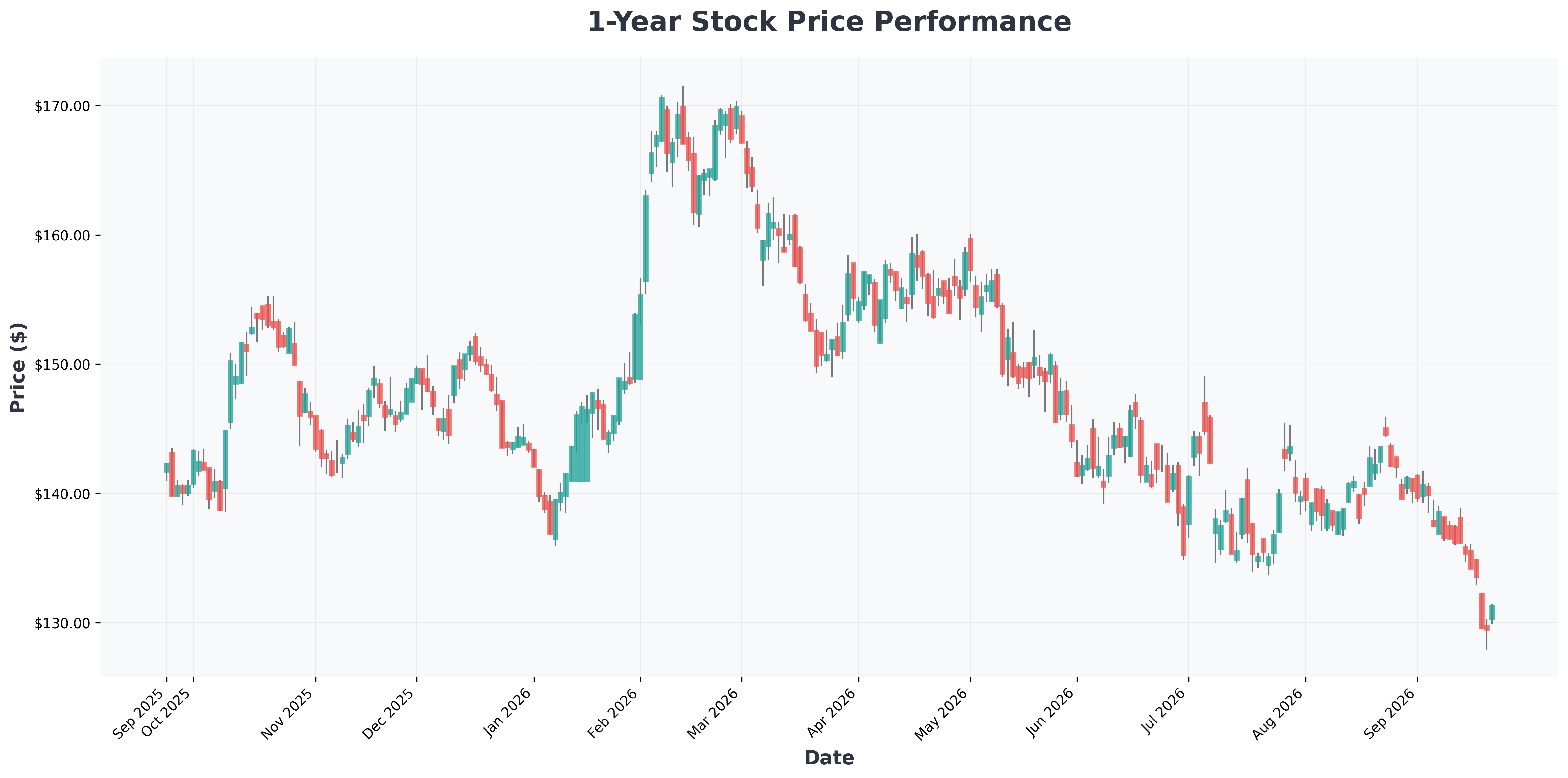
Historically, sectors undergoing premiumization (like organic foods in the 2010s) have seen margin expansion outpace volume growth. If functional foods follow a similar trajectory, we could see operating margins for early movers expand by 200-300 basis points above traditional food segments by 2028. Watch for a breakout above the sector's current consolidation range if input costs stabilize.
📊 In-Depth Fundamental Analysis
| Company | Share Price | P/E Ratio | P/B Ratio | ROE | Operating Margin (OPM) | Revenue Growth |
|---|---|---|---|---|---|---|
| ABT (Abbott) | $104 | 33.65 | 3.52 | 10.58% | 14.71% | 13.00% |
| DANOY (Danone) | $14 | 19.81 | 2.18 | 12.19% | 13.30% | 1.40% |
| GIS (General) | $35 | 0.00 | 2.56 | -1.03% | 16.12% | 1.20% |
| GLAPY (GLANBIA) | $123 | 25.38 | 3.13 | 12.05% | 9.97% | 7.90% |
| KHC (The) | $24 | 0.00 | 0.78 | -8.76% | 15.49% | -1.40% |
| KO (Coca-Cola) | $88 | 26.36 | 10.45 | 42.05% | 34.87% | 6.70% |
| MDLZ (Mondelez) | $61 | 22.32 | 2.93 | 13.34% | 21.98% | 4.10% |
| MEJHY (Meiji) | $15 | 36.10 | 1.65 | 5.53% | 7.83% | 5.80% |
| NSRGY (Nestle) | $93 | 26.38 | 6.71 | 26.24% | 16.11% | -2.50% |
| PEP (Pepsico,) | $130 | 16.76 | 8.01 | 51.51% | 16.84% | 6.40% |
| UL (Unilever) | $62 | 21.17 | 7.19 | 31.87% | 20.34% | 0.50% |
| YKLTY (Yakult) | $9 | 18.35 | 0.71 | 8.22% | 8.37% | 3.30% |

Investment Scenarios: Bull vs. Bear Case 📊
Best Case Scenario (Bull) 🐂
- Regulatory Tailwinds: FDA/EFSA streamline health claim approvals, reducing time-to-market.
- Tech Breakthroughs: AI personalization drives subscription-based repeat purchases, increasing lifetime customer value.
- Margin Expansion: Premiumization offsets input cost inflation, leading to EPS beats.
Worst Case Scenario (Bear) 🐻
- Regulatory Headwinds: Strict health claim substantiation increases compliance costs.
- Input Cost Inflation: U.S. tariff policy on specialty functional ingredients squeezes margins.
- Private-Label Pressure: Supermarket private labels constrain branded margins in the mid-tier segment.
Key Risks to Monitor
- EFSA/FDA regulatory burden for health claim substantiation.
- Wealth inequality in emerging markets capping premiumization penetration.
- Private-label competition in supermarket channels.
For a pulse on broader market sentiment and how tech rallies are impacting futures, check our Stock Market Today update.
Bottom Line: The functional foods and beverages sector offers a compelling combination of secular demand growth and technology-enabled differentiation. Investors should focus on companies with proprietary ingredient platforms and strong digital commerce capabilities.