🚀 The Next Beat: Generative AI in Music Market Hits $1.34B by 2030
The music industry is undergoing a silent revolution, and it's not just about streaming. The Generative AI in Music Market is projected to surge from $0.44 billion in 2025 to $1.34 billion by 2030, boasting a compelling CAGR of 23.9%. This isn't just a tech trend; it's a fundamental shift in how music is composed, produced, and consumed.
This deep dive, based on a comprehensive report from ResearchAndMarkets.com, breaks down the market's core segments (GANs, AR-CNNs, and Transformer-Based Models), the key players driving innovation, and the strategic considerations for investors looking to tap into this growth. While the numbers are bullish, we'll also explore the headwinds, including the impact of tariffs on hardware costs.
Key Market Drivers at a Glance:
- Smartphone Penetration: With 4.88 billion global users in 2024, AI music apps are more accessible than ever.
- AI Integration with VR/AR: Creating immersive music experiences.
- Advancements in Transformer Models: Enabling sophisticated melody and harmony generation.
- Personalized Recommendations: AI is curating the soundtrack of our lives.
Investors should not view this as a risk-free opportunity. The market is competitive, and regulatory landscapes are evolving.

🎼 Decoding the Tech: GANs, Transformers, and the Sound of the Future
The market is segmented by three core AI technologies, each with its own application and growth trajectory. Understanding these is crucial for identifying where the real value lies.
📊 Segment Analysis: Type
| Segment | Description | Key Application | Growth Outlook |
|---|---|---|---|
| Generative Adversarial Networks (GANs) | Two neural networks (generator & discriminator) creating new, realistic audio. | Style transfer, genre creation, sound design. | Strong, driven by need for novel sounds. |
| Transformer-Based Models | Models like Google's MusicLM that understand long-range dependencies in music. | Melody & harmony composition, full song generation, lyrics. | Fastest growing, as they produce the most coherent results. |
| AR-CNNs (Augmented Reality CNNs) | Combines audio generation with visual/spatial data for AR/VR. | Music visualization, interactive real-time creation, virtual performances. | Niche but high-potential, linked to metaverse growth. |
🏢 Key Players & Their Moves
- Stable Audio (Stability AI): Launched a user-friendly tool for high-quality music production, available in free and 'Pro' tiers. This is democratizing music creation.
- Suno Inc.: Acquired WavTool in June 2025 to bolster its browser-based DAW capabilities. This signals a move towards all-in-one AI music production suites.
- Tech Giants: Apple, Alphabet, Microsoft, Sony, NVIDIA, and Amazon are all heavily invested, either through internal R&D or cloud infrastructure (AWS, Azure) for AI workloads.
Market Insight: The acquisition of WavTool by Suno is a classic land-grab. It's not just about the AI model; it's about owning the user interface and workflow. This is a key battleground for future market share.
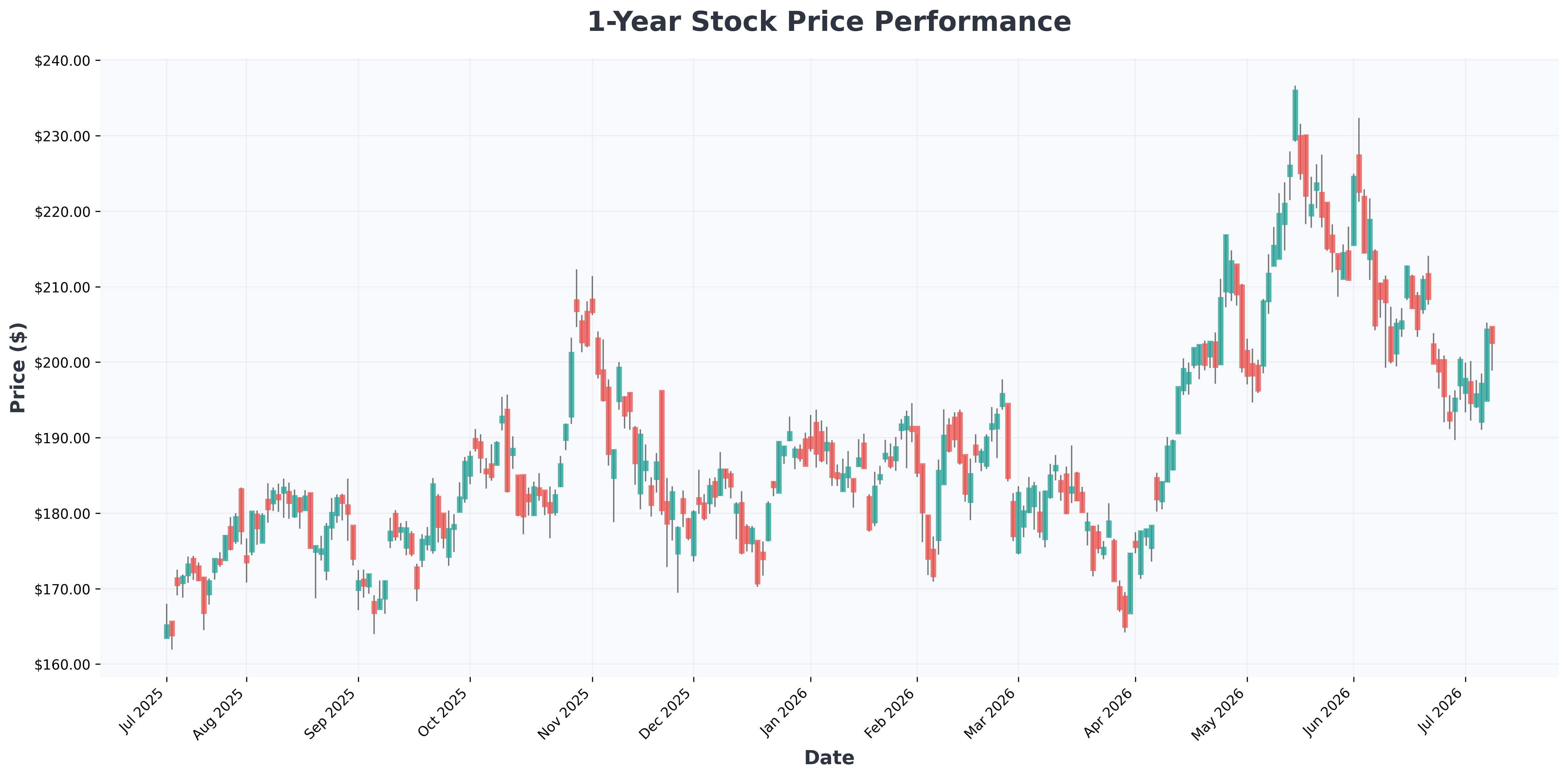
The market's potential is clear, but the path forward is hotly debated. Here’s how the bulls and bears are positioning themselves on this sector.

🌍 Global Landscape, Tariffs, and the Competitive Arena
North America currently leads the market, but Asia-Pacific is expected to see the fastest growth, driven by high smartphone adoption and a vibrant tech ecosystem.
The Tariff Impact
A critical, often overlooked factor is the impact of tariffs on computing hardware. The report explicitly notes that tariffs are increasing costs and limiting access to essential hardware (GPUs) for training and running these models.
- Negative Impact: Higher costs for AI startups, potentially slowing innovation.
- Positive Impact: Spurring investment in local AI infrastructure and more cost-efficient solutions.
Competitive Dynamics: The Company Scoring Matrix
| Company | Revenue Base | Innovation Score | Risk Factor |
|---|---|---|---|
| Apple Inc. | Massive (Hardware + Services) | High (Silicon, Ecosystem) | Regulatory, Market Saturation |
| NVIDIA Corporation | Dominant (GPU Hardware) | Very High (AI Chip Leader) | Geopolitical (Taiwan), Tariffs |
| Microsoft Corp. | Strong (Cloud, OpenAI) | Very High (Copilot, Azure AI) | Execution Risk, Competition |
| Sony Group Corp. | Large (Music, Gaming) | Medium (Legacy, Innovation Pace) | Disruption from AI-native firms |
| Suno / Stability AI | Small / Unprofitable | Very High (Pure AI Focus) | Cash Burn, Competition from Big Tech |
Source: Data synthesized from report's competitive landscape and company profiles.
📊 In-Depth Fundamental Analysis
| Company | Share Price | P/E Ratio | P/B Ratio | ROE | Operating Margin (OPM) | Revenue Growth |
|---|---|---|---|---|---|---|
| MSFT (Microsoft) | $384 | 22.88 | 6.89 | 34.01% | 46.33% | 18.30% |
| SONY (Sony) | $21 | 19.70 | 2.47 | 12.34% | 10.74% | 8.30% |
| AAPL (Apple) | $314 | 38.10 | 43.29 | 141.47% | 32.27% | 16.60% |
| GOOG (Alphabet) | $352 | 26.87 | 8.92 | 38.88% | 36.12% | 21.80% |
| NVDA (NVIDIA) | $210 | 32.17 | 26.03 | 114.29% | 65.60% | 85.20% |
| IBM (International) | $290 | 25.61 | 8.26 | 35.77% | 13.81% | 9.50% |
| GOOGL (Alphabet) | $355 | 27.06 | 8.97 | 38.88% | 36.12% | 21.80% |

📈 Bull vs. Bear Scenarios & Investment Outlook
Best-Case Scenario (Bullish) 🚀
- 2030 Market Size: Exceeds $1.5B driven by mass adoption of AI tools in professional studios and by independent artists.
- Key Catalyst: A viral AI-generated hit song leads to a paradigm shift in the music industry, similar to the impact of Napster or streaming.
- Winner: Companies that own the platform (Suno, Stable Audio) and the infrastructure (NVIDIA, AWS).
Worst-Case Scenario (Bearish) ⚠️
- 2030 Market Size: Falls short of $1B due to regulatory hurdles (copyright lawsuits), a tech winter, or escalating trade wars that choke hardware supply.
- Key Risk: Major record labels successfully sue AI companies for copyright infringement, setting back the industry by years.
- Loser: Pure-play AI music startups that lack the legal resources to fight prolonged battles.
Conclusion: A High-Growth, High-Risk Play
For investors, the generative AI in music market offers a compelling growth narrative. The CAGR of 23.9% is hard to ignore. However, this is not a 'set and forget' sector. The key is to differentiate between infrastructure plays (NVIDIA, cloud providers) which offer more stability, and application plays (Suno, Stability AI) which offer higher upside but also significantly higher risk.
📌 Actionable Insight: For a diversified tech portfolio, exposure to this sector through NVIDIA or Microsoft is a prudent way to capture growth while mitigating company-specific risk. For aggressive investors, following the progress of Suno post-WavTool acquisition is a must.
📚 Further Reading
- Sandisk vs. Micon: Which AI Memory Chip Stock Is the Better Buy?
- Women’s Health & Beauty Supplements Market Analysis