
Introduction: Sustainability as a Core Business Imperative
In an era defined by climate urgency and the ESG investment boom, green technology has evolved from a niche trend to a central pillar of global business strategy. According to a recent report by MarketsandMarkets™, the worldwide green technology and sustainability market, valued at approximately $25.47 billion in 2025, is poised for explosive growth. It is projected to reach $73.90 billion by 2030, expanding at a stellar compound annual growth rate (CAGR) of 23.7%. This represents an almost tripling of the market size in just five years. Beyond the impressive numbers, this growth is fueled by a powerful convergence of digital technologies—AI, blockchain, IoT—with sustainability goals. 📈

Deep Dive: The Three Pillars of Market Expansion
This remarkable expansion is being driven by several key, interconnected trends.
1. The Rise of AI-Powered Carbon Intelligence
Accurate measurement and reduction of corporate carbon footprints are now table stakes for regulatory compliance and investor confidence. AI-driven carbon accounting frameworks are emerging as game-changers, analyzing real-time data across complex supply chains to pinpoint inefficiencies and recommend optimized sustainability strategies. This is becoming essential for navigating stringent global regulations like the EU's Corporate Sustainability Reporting Directive (CSRD).
2. Supply Chain Traceability: The Fastest-Growing Segment
Driven by consumer demand for ethical sourcing and tightening regulatory pressure, supply chain traceability tools are the market's fastest-growing segment. Leveraging blockchain and IoT, these solutions provide end-to-end visibility from raw material to finished product, mitigating greenwashing risks and enabling genuine circular economy models.
3. The SaaS-ification of Sustainability and ESG Automation
To manage the growing complexity of ESG reporting mandates, the Sustainability-as-a-Service (SaaS) model is gaining significant traction. It allows small and medium-sized enterprises to access sophisticated carbon accounting and ESG reporting tools via the cloud. Major enterprise software players like SAP and Salesforce are also rapidly integrating sustainability metrics into their core platforms.
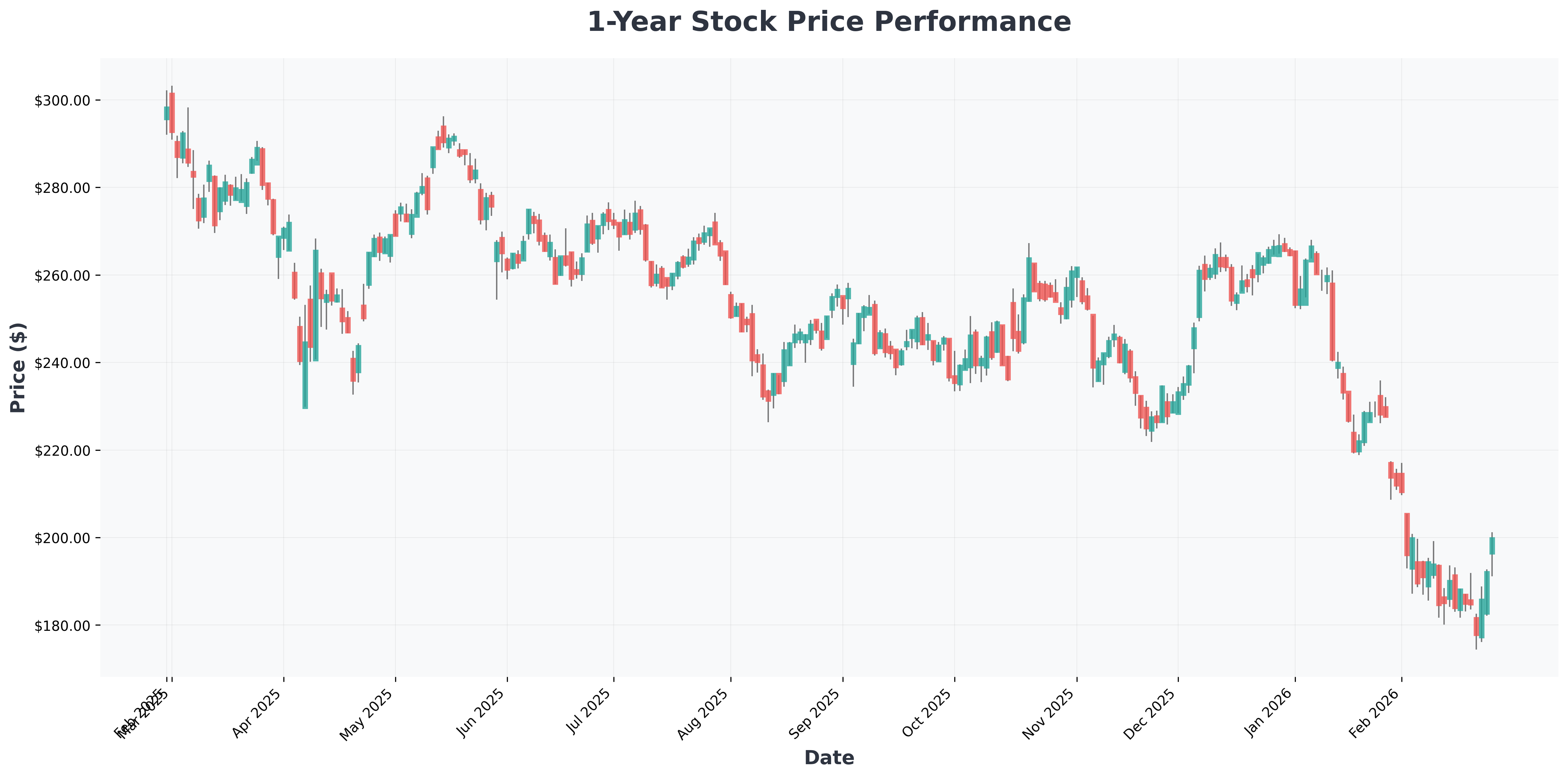

Market Debate: Bull vs. Bear Perspectives
The market's stellar growth projections are met with both optimism and caution. Here's how the debate shapes up.
The market's stellar growth projections are met with both optimism and caution. Here's how the debate shapes up.
📊 In-Depth Fundamental Analysis
| Company | Share Price | P/E Ratio | P/B Ratio | ROE | Operating Margin (OPM) | Revenue Growth |
|---|---|---|---|---|---|---|
| GE (GE) | $341 | 42.40 | 19.14 | 44.69% | 19.55% | 17.60% |
| SBGSY (Schneider) | $65 | 34.26 | 1.28 | 15.61% | 18.12% | 4.20% |
| SAP (SAP) | $203 | 27.48 | 4.47 | 16.46% | 29.21% | 3.30% |
| CRM (Salesforce,) | $194 | 25.96 | 3.07 | 12.40% | 19.24% | 12.10% |
| IBM (International) | $238 | 21.43 | 6.84 | 35.16% | 23.12% | 12.20% |
| MSFT (Microsoft) | $395 | 24.70 | 7.51 | 34.39% | 47.09% | 16.70% |

Outlook & Implications for Investors
📊 Scenario Analysis: Potential Pathways
| Aspect | Best Case Scenario (Bullish) 🚀 | Worst Case Scenario (Bearish) 📉 |
|---|---|---|
| Growth Drivers | Sustained regulatory tailwinds, accelerated ESG capital inflows, significant cost reduction via AI/tech. | Economic downturn deprioritizes ESG spending, regulatory rollbacks/delays, high technology integration barriers. |
| Key Players | Hyper-growth of pure-play green tech startups (e.g., Watershed); entrenched dominance of incumbents like SAP/Siemens. | Market consolidation by giants stifles startup ecosystem; lack of standards leads to market fragmentation. |
| Investment Thesis | High ROI focused on specialized solutions in traceability, AI carbon accounting, and ESG reporting SaaS. | Bubble deflation due to overhyped expectations; investor patience wears thin due to long path to profitability. |
| Regional Outlook | Europe-led regulation spreads to North America & Asia, enabling balanced global market growth. | Deepening regulatory divergence and protectionism hinder cohesive global market expansion. |
🔭 Final Takeaway
While the steep growth trajectory toward 2030 seems well-established, investors should look beyond the "green" label. Focus should be on companies that can demonstrate tangible carbon reduction and cost savings through data and AI, and platform players that can navigate and standardize solutions across complex regulatory landscapes. While Europe is the regulatory pioneer, the catch-up play in North America and Asia could provide the next wave of growth momentum.
This analysis is based on market reports and publicly available information. It is not a recommendation to buy or sell any specific financial product, nor does it guarantee against investment losses. All investment decisions should be made based on your own research and in consultation with a qualified professional. Further Reading: "SPGM vs NZAC: Global Stocks vs. Climate-Focused ETF Showdown" | "eVTOL Duel: Joby vs. Archer Aviation – Where to Place Your Bets?"