📌 The Abel Era Begins: A Portfolio Shake-Up Worth Watching
Berkshire Hathaway’s (BRK.B) latest 13F filing was always going to be a big deal. But this time, it wasn't just about what Warren Buffett was buying or selling. It was the first glimpse into the mind of Greg Abel, the new CEO. And for many long-term shareholders, the initial view is... concerning.
In his first full quarter at the helm, Abel made a decisive break from the past. He sold off almost all the positions managed by former portfolio manager Todd Combs, including high-quality compounders like Amazon (AMZN), Visa (V), and Mastercard (MA). The portfolio was slashed from 39 stocks to just 26. But the real debate isn't about what he sold—it's about what he bought. Abel poured $2.6 billion into Delta Air Lines (DAL) and started a $55 million stake in Macy's (M). These are two sectors where Buffett has publicly admitted to making painful mistakes.
This move raises a critical question for investors: Is Abel charting a new, independent course, or is he repeating the errors of his predecessor?

✈️ The Delta Bet: Ignoring the 'Bottomless Pit' Warning
Let’s start with the elephant in the room: Delta Air Lines. Buffett has been famously vocal about his disdain for airline economics. He once described the industry's need for capital as a 'bottomless pit.' His own track record is a testament to this warning.
- 1989: Berkshire invested in US Airways preferred stock. Buffett later called it an 'unforced error' and a 'terrible mistake.'
- 2016: He tried again, buying a basket of four major airlines. By 2020, he sold them all at a loss during the pandemic, admitting he was wrong again.
So why would Abel jump into the same pool? The allure is understandable. The US airline industry has consolidated, leading to pricing power. Plus, the lucrative co-branded credit card partnerships (like Delta's with Amex) are attractive. But the core problem remains: airlines are capital-intensive, economically sensitive, and prone to shocks. For investors who want to understand how to build a truly resilient portfolio, avoiding such cyclical traps is key. You can learn more about building durable positions in our analysis of Beyond Intel Why TSMC is the Smarter AI Infrastructure Bet for 2026.
🛍️ The Macy's Play: A Value Trap or a Real Estate Gem?
Abel's smaller bet on Macy's is equally puzzling. Buffett has long stated that retail is a 'tough business' with little to no economic moat. The last time Berkshire bought a department store was in 1966.
The thesis here is likely the value of Macy's real estate, particularly its flagship NYC store at Herald Square. But this is an old argument. Investors have been saying 'Macy's is worth more dead than alive' for over a decade. The stock has still lost nearly 40% in that time. While the real estate might be valuable, unlocking that value is a notoriously difficult and lengthy process. It feels more like a deep value play than a classic Berkshire 'wonderful business at a fair price' investment.
The investment community is deeply divided on Abel's strategy. Here’s how the Bulls and Bears are framing the debate.
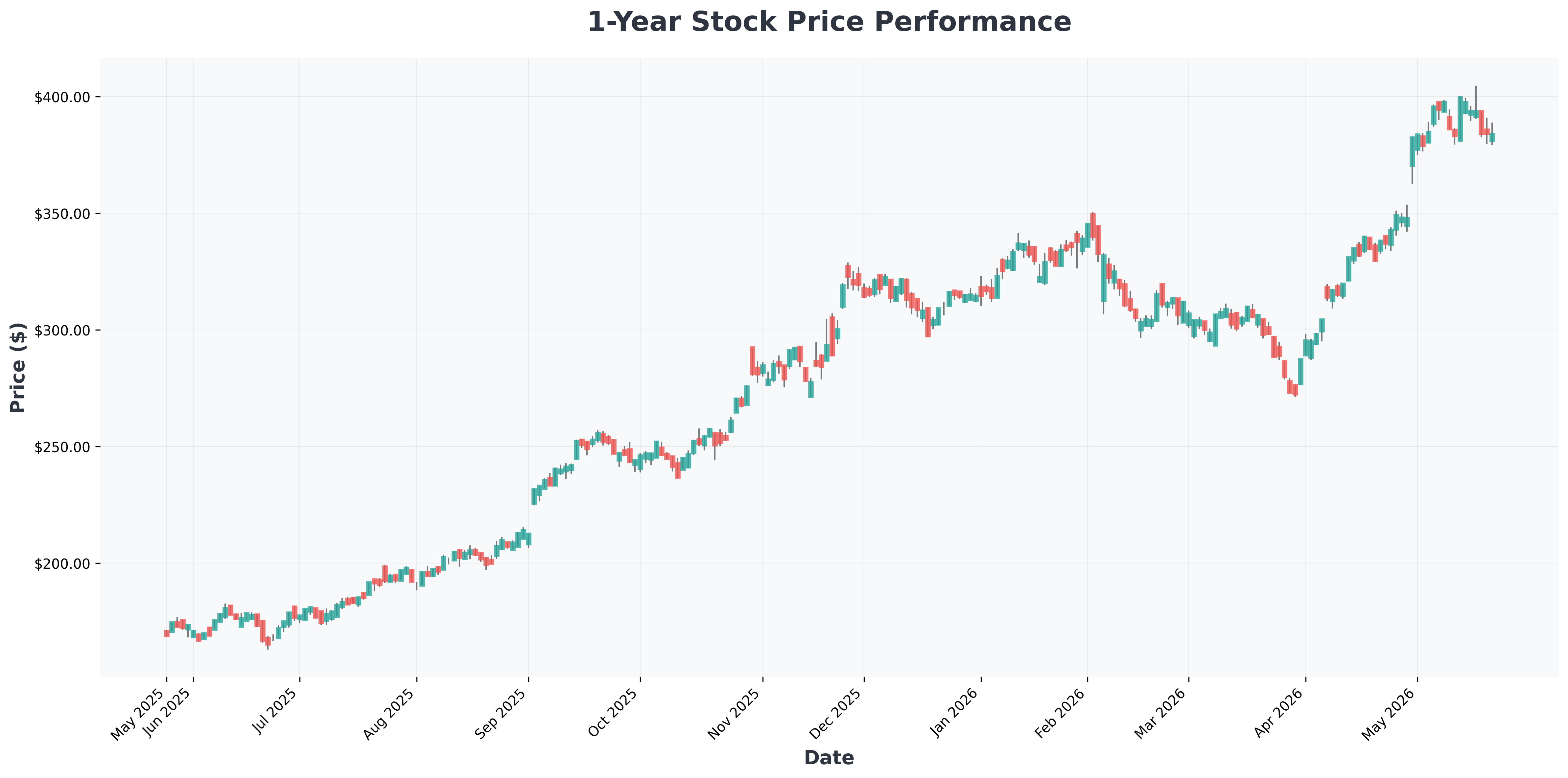

⚖️ The Bull vs. Bear Case for Abel's Strategy
This is where the market is genuinely split. Let’s break down the two sides of the argument.
📊 Key Portfolio Changes at a Glance
| Action | Ticker | Position Size | Strategic Implication |
|---|---|---|---|
| Sold Entirely | AMZN, V, MA | ~$1.5B+ (est.) | Exiting high-quality tech/fintech. |
| New Position | DAL | $2.6B | Major bet on a cyclical, capital-intensive industry. |
| New Position | M | $55M | Value play on real estate; tough retail business. |
| Increased | GOOGL | ~$10B (largest move) | Strong conviction in AI leader. |
| Increased | NYT | Tripled stake | Bet on digital subscription growth; high valuation. |
🔮 What History Tells Us (AI Insight)
Looking back at similar situations, when a new CEO dramatically shifts a portfolio into sectors the founder explicitly warned against, the initial 12-18 months often result in underperformance. For example, when new management at a different conglomerate tried to 'modernize' by buying into cyclical industrials, it took over three years for the portfolio to recover to its previous risk-adjusted returns. This suggests patience is required, but the risk of a 'value trap' is real.
📊 In-Depth Fundamental Analysis
| Company | Share Price | P/E Ratio | P/B Ratio | ROE | Operating Margin (OPM) | Revenue Growth |
|---|---|---|---|---|---|---|
| MA (Mastercard) | $499 | 28.85 | 65.85 | 232.08% | 60.84% | 15.80% |
| GOOG (Alphabet) | $382 | 29.11 | 9.66 | 38.88% | 36.12% | 21.80% |
| M (Macy's) | $21 | 8.86 | 1.11 | 13.64% | 7.47% | -1.10% |
| V (Visa) | $330 | 28.77 | 16.46 | 60.35% | 67.35% | 17.10% |
| GOOGL (Alphabet) | $385 | 29.42 | 9.75 | 38.88% | 36.12% | 21.80% |
| NYT (New) | $74 | 31.82 | 5.96 | 19.68% | 13.13% | 12.10% |
| DAL (Delta) | $76 | 11.14 | 2.45 | 24.99% | 3.18% | 12.90% |
| AMZN (Amazon.com,) | $268 | 31.61 | 6.52 | 24.29% | 13.14% | 16.60% |
🏁 Conclusion: A Fork in the Road for Berkshire Investors
So, is Greg Abel repeating past mistakes? The evidence is mixed, but the warning signs are clear. He is making a bold bet that he can succeed where Warren Buffett failed. He is betting on airlines and retail, sectors that have historically destroyed capital.
Best-Case Scenario:
- The airline industry continues to consolidate, Delta’s pricing power holds, and the Macy’s real estate is eventually monetized. Abel looks like a visionary who was willing to step out of Buffett's shadow.
- His massive bet on Alphabet (GOOGL) pays off handsomely as AI drives revenue, offsetting any losses from the other bets.
Worst-Case Scenario:
- A recession hits, Delta’s earnings collapse, and Macy’s continues to bleed market share to e-commerce. Abel is forced to sell both positions at a loss, repeating the exact same cycle of mistakes Buffett made.
- The sale of Visa, Mastercard, and Amazon looks increasingly foolish as those companies continue to compound at high rates.
For current Berkshire shareholders, this is a period of 'trust but verify.' Abel deserves time, but his early moves suggest a different risk appetite than the one that built Berkshire’s legendary track record. The market's reaction to future filings will be telling.
Disclaimer: This analysis is for informational purposes only and does not constitute financial advice. Past performance is not indicative of future results. Always conduct your own research before making investment decisions.
📚 Recommended Reading: