Healthcare Services Market Set to Double by 2035 📈
The global healthcare services market is on a trajectory to double in size over the next decade, according to a new report from SNS Insider. Valued at $8.62 trillion in 2025, the market is expected to reach $20.10 trillion by 2035, expanding at a compound annual growth rate (CAGR) of 8.87%.
This growth isn't just a number — it reflects a fundamental shift in how healthcare is delivered and consumed worldwide. From AI-powered telemedicine platforms to remote patient monitoring systems, the convergence of digital technology and healthcare is creating unprecedented opportunities for investors, providers, and patients alike.
Let's break down the key drivers, regional dynamics, and what this means for your portfolio.

Key Growth Drivers: Telehealth, AI, and an Aging Population 🚀
The Telehealth Revolution is Just Getting Started
Telehealth services are projected to be the fastest-growing segment through 2035. In 2025 alone, global investments in digital healthcare and telehealth exceeded $520 billion. The integration of AI-powered virtual consultations, smart home healthcare devices, and cloud-based patient management is transforming care delivery.
Why this matters for investors: Companies like Teladoc Health and Medtronic are well-positioned to capitalize on this shift. The marriage of remote monitoring with AI-driven diagnostics is creating a new standard of care that's both convenient and cost-effective.
AI-Enabled Infrastructure: The Backbone of Modern Healthcare
HCA Healthcare's recent deployment of AI-powered clinical workflow systems and Mayo Clinic's expansion of AI-enabled patient management are just the beginning. By 2035, AI-integrated hospital management systems will be the norm, not the exception.
Pro tip: Keep an eye on infrastructure plays — companies providing the cloud and AI backbone for healthcare digitization could see exponential growth.
Chronic Disease & Aging Demographics
With an aging global population and rising prevalence of chronic conditions like diabetes and heart disease, demand for preventive care and long-term management is soaring. The geriatric population segment is expected to grow at the fastest CAGR, opening up opportunities in home healthcare and specialized geriatric services.
"The healthcare services market is no longer just about hospitals — it's about integrated ecosystems that combine prevention, treatment, and technology." — SNS Insider
While the growth story is compelling, not everyone is convinced. Here's how the bull and bear cases stack up:

Regional Breakdown: Where the Money is Flowing 🌍
| Region | 2025 Market Size | Projected 2035 Size | CAGR | Key Insight |
|---|---|---|---|---|
| North America | $3.5T+ (32.5% share) | ~$4.93T (US alone) | 7.69% | US leads in AI clinical systems; Canada scaling integrated care |
| Europe | $2.67T (30.9% share) | $6.25T | 8.87% | Rapid telemedicine adoption; strong preventative care focus |
| Asia Pacific | $2.48T | Fastest growth | ~2.8% (historical) | China digital health leader; India expanding remote care |
| Rest of World | Growing | Expanding | Varies | MEA and LatAm showing increasing healthcare infrastructure investment |
The US Healthcare Services Market alone was valued at $2.36 trillion in 2025 and is projected to reach $4.93 trillion by 2035 — a CAGR of 7.69%. This growth is fueled by chronic disease prevalence and demand for personalized care solutions.
Technical Insight: Based on historical adoption curves in other tech-enabled sectors, the healthcare services market could see a non-linear acceleration after 2030 as AI and telehealth reach critical mass. If you're looking for a long-term compounder, this sector checks the box.
Segment Winners: Who's Leading the Pack?
- By Service Type: Hospital Services dominate (44% share), but Telehealth Services will grow the fastest.
- By Facility Type: Private healthcare facilities lead (39% share), but Ambulatory Surgical Centers are the fastest-growing.
- By Application: General healthcare holds 36% revenue share, but Oncology Services will see the highest growth due to rising cancer prevalence and precision oncology adoption.
- By End User: Adults (48% share) dominate, but the Geriatric Population segment will grow the fastest.
For a broader market context, check out our analysis of how AI infrastructure investments are reshaping tech stocks.
📊 In-Depth Fundamental Analysis
| Company | Share Price | P/E Ratio | P/B Ratio | ROE | Operating Margin (OPM) | Revenue Growth |
|---|---|---|---|---|---|---|
| CVS (CVS) | $98 | 43.12 | 1.62 | 3.75% | 4.12% | 6.10% |
| UNH (UnitedHealth) | $401 | 30.22 | 3.72 | 12.18% | 8.05% | 2.00% |
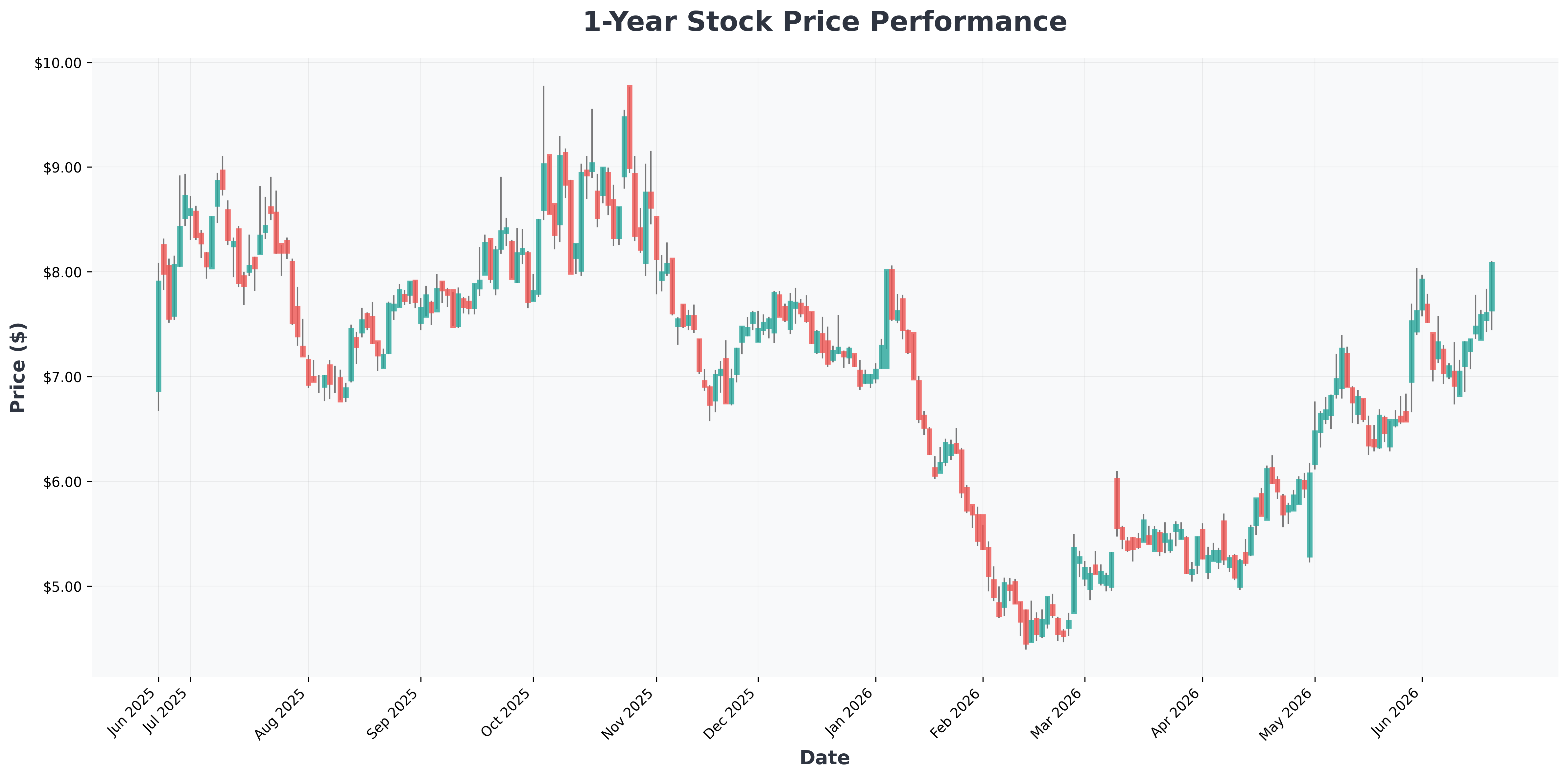
| TDOC (Teladoc) | $8 | 0.00 | 1.09 | -12.39% | -7.94% | -2.50% |
| MDT (Medtronic) | $79 | 21.27 | 2.08 | 9.93% | 21.30% | 9.90% |
| HCA (HCA) | $375 | 12.92 | -13.25 | 0.00% | 14.98% | 4.30% |

Scenarios & Investment Outlook 🔮
Best-Case Scenario (2035):
- Outcome: Market exceeds $22 trillion as AI and telehealth adoption accelerates faster than expected.
- Key Drivers: Breakthroughs in precision medicine, regulatory tailwinds for digital health, and widespread 5G/6G enabling remote surgery and real-time monitoring.
- Winners: Companies with integrated AI+telehealth platforms (e.g., Teladoc, HCA Healthcare), and infrastructure providers (cloud, AI chips).
Worst-Case Scenario (2035):
- Outcome: Market falls short at ~$16-17 trillion due to regulatory hurdles, data privacy concerns, or slower-than-expected AI adoption in conservative healthcare systems.
- Key Risks: Reimbursement delays for telehealth services, cybersecurity breaches, or economic downturn reducing healthcare spending.
- Defensive Plays: Large-cap diversified players like UnitedHealth Group and CVS Health with stable cash flows.
My Take:
The 8.87% CAGR feels achievable, if not conservative, given the demographic tailwinds and digital transformation already underway. The key for investors is differentiation — not all healthcare services plays are created equal. Focus on companies with:
- Proprietary AI/tech platforms (not just service providers)
- Exposure to fast-growing segments (telehealth, oncology, geriatric care)
- Geographic diversification (especially Asia Pacific exposure)
Remember: Past performance doesn't guarantee future results. Always do your own due diligence and consider your risk tolerance before investing.
This analysis is for informational purposes only and does not constitute financial advice. Consult a qualified financial advisor before making investment decisions.