
The Digital Command Center: Production Monitoring Software Market on the Rise ⚙️
The upstream oil and gas sector is rapidly evolving from pure extraction to data-driven, sophisticated operations. At the heart of this shift lies 'production monitoring software' – platforms that track, analyze, and optimize real-time data on flow, pressure, and temperature to maximize output, ensure safety, and comply with environmental regulations. According to a recent global market report, this sector is forecast to expand at a CAGR of 9.19%, growing from approximately $2.49 billion in 2025 to $4.22 billion by 2031. This signals a substantial acceleration in the industry's digital investment. 🚀

Growth Drivers: The Efficiency vs. Regulation Push 💰🌍
The first engine of growth is the relentless pressure for operational efficiency and cost reduction. In an environment of volatile oil prices and increasing extraction complexity, companies are turning to predictive maintenance and optimization powered by machine learning and IoT to minimize downtime and extend asset life. The 11% year-on-year revenue growth in SLB's Digital & Integration division reflects this investment trend.
The second, and potentially more powerful, driver is the global tightening of environmental regulations, particularly around methane emissions monitoring. Mandates requiring accurate reporting using integrated data from satellites and sensors have made advanced monitoring platforms not an option, but a necessity. Reports from the Environmental Defense Fund (EDF) suggesting actual methane emissions could be over four times EPA estimates underscore the critical need for precise digital oversight.
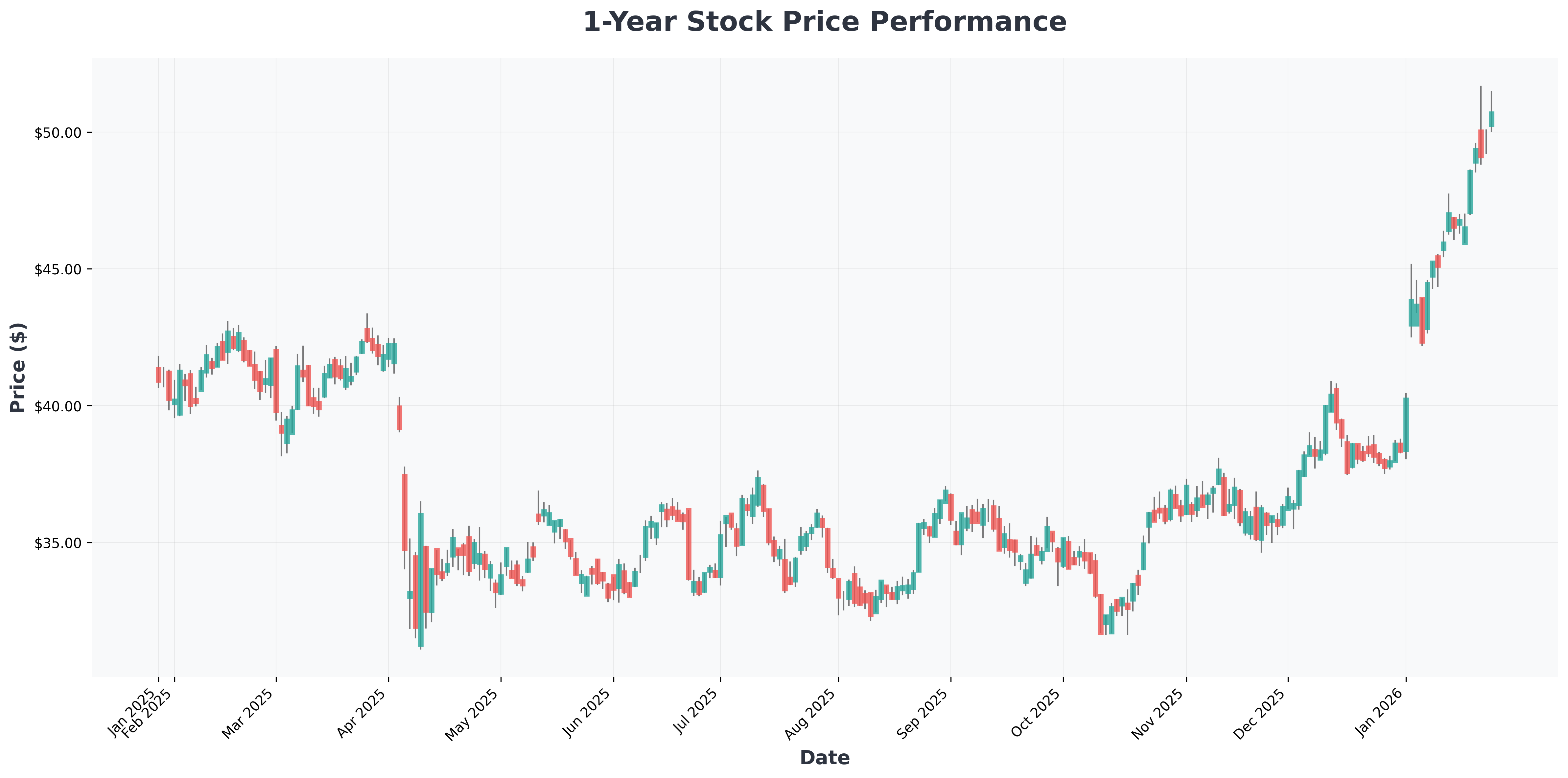
The growth potential of this market is a subject of debate among investors. Here are the key arguments from the Bull and Bear perspectives.

Key Challenges: Legacy Systems & Cybersecurity Headwinds ⚠️
Despite the robust growth outlook, significant barriers impede rapid market expansion. The most formidable challenge is integration with decades-old legacy infrastructure. Marrying modern software with outdated operational technology (OT) entails enormous costs, technical complexity, and the risk of disrupting critical production processes.
An even more pressing concern is heightened cybersecurity vulnerability. The convergence of Information Technology (IT) and Operational Technology (OT) has expanded the attack surface for threats like hacking. With 71% of energy professionals perceiving their OT assets as more vulnerable than ever (per DNV), this risk perception acts as a major brake on the pace of new technology adoption.
📊 In-Depth Fundamental Analysis
| Company | Share Price | P/E Ratio | P/B Ratio | ROE | Operating Margin (OPM) | Revenue Growth |
|---|---|---|---|---|---|---|
| ROK (Rockwell) | $417 | 54.25 | 12.82 | 20.28% | 19.73% | 13.80% |
| EMR (Emerson) | $148 | 36.82 | 4.12 | 9.36% | 20.72% | 5.10% |
| SAP (SAP) | $234 | 32.74 | 5.37 | 17.03% | 28.27% | 7.20% |
| HAL (Halliburton) | $33 | 22.31 | 2.68 | 12.27% | 14.90% | 0.80% |
| HON (Honeywell) | $221 | 23.28 | 8.35 | 34.62% | 18.50% | 7.00% |
| SLB (SLB) | $49 | 20.94 | 2.82 | 13.90% | 15.99% | 5.00% |
| BKR (Baker) | $57 | 21.84 | 2.95 | 14.55% | 13.13% | 0.30% |
| WIT (Wipro) | $3 | 18.43 | 2.76 | 15.20% | 14.84% | 5.50% |

Future Outlook: Evolution Led by Cloud & Digital Twins 🔮
The key trends poised to address these challenges and lead the market are the shift to cloud-native SaaS models and the adoption of digital twin technology. Moving from rigid on-premise systems to flexible cloud-based platforms enables remote collaboration, seamless updates, and lower total cost of ownership (TCO).
Meanwhile, digital twins—virtual replicas of physical assets—allow for simulation of various operational scenarios without risking actual equipment. The growing demand for Aspen Technology's optimization software highlights the industry's increasing focus on asset optimization and lifecycle management.
📌 Recommended Reading
- For insights into digital transformation in other sectors, consider this analysis on turnaround potential in the tech industry.
- To explore broader sector-specific investment strategies for the coming year, review this comparative analysis of various stocks.
This content is an analysis based on market reports and publicly available information. It is not intended as investment advice or a recommendation for any specific financial product. All investment decisions should be made based on your own judgment and thorough research.