The Pill That Changes Everything: Oral Obesity Market Set for Massive Growth 📈
The future of weight loss is becoming a lot easier to swallow. A new comprehensive report from ResearchAndMarkets.com projects the Oral Obesity Therapies Market to surge from $4.32 billion in 2026 to $6.32 billion by 2030, representing a robust compound annual growth rate (CAGR) of 9.9%. This isn't just about a new diet fad; it's a structural shift in the pharmaceutical landscape driven by the massive success and expanding indications of GLP-1 receptor agonists. For investors, this represents a multi-year growth runway. The key catalyst? The transition from injectable to oral formulations, which is expected to dramatically expand the addressable patient population beyond those willing to take shots. We're talking about a potential blockbuster market that could reshape consumer health as we know it.

The GLP-1 Gold Rush: Why Oral Formulations Are the Next Frontier 🔬
The market is currently segmented by drug class, with Oral GLP-1 Agonists taking center stage. While injectables like Ozempic and Wegovy have dominated headlines, the race is now on for effective oral alternatives. Companies are developing daily, weekly, and sustained-release oral GLP-1 pills. This shift is critical for two reasons: patient compliance (pills are easier to take) and manufacturing scalability (oral pills can be produced at a lower cost per unit than complex injectables).
Beyond GLP-1s, the market includes lipase inhibitors, sympathomimetic appetite suppressants, and combination therapies. However, the highest growth segment is clearly the 'Next Generation Incretin Agonists' and dual/triple mechanism combinations. The report also highlights a fascinating trend: the move towards personalized obesity treatment based on genetic and metabolic profiling. This is a premium, high-margin opportunity for companies that can pair diagnostics with therapeutics.
The rise of oral GLP-1s is a consensus trade, but the path to profitability is far from clear. Let's hear from both sides of the trading desk.

Market Segmentation & Competitive Landscape: Who's Winning the Weight War? 🏆
To understand the opportunity, let's break down the key segments and the major players fighting for market share.
Key Segments at a Glance
| Segment | Description | Growth Outlook || :--- | :--- | :--- || Drug Class | Oral GLP-1 Agonists, Combination Therapies | Highest Growth (GLP-1) || Patient Indication | Primary Obesity (BMI ≥30), Overweight + Comorbidities | Largest TAM (Comorbidities) || Sales Channel | Retail Pharmacies, Telehealth Platforms | Fastest Growth (Telehealth) || Application | Obesity Management, Cardiometabolic Risk Reduction | Key Driver (Risk Reduction) || End User | Hospitals, Clinics, Homecare Settings | Dominant (Homecare) |
The Titans of the Market 🥊
The competitive landscape is a mix of established pharma giants and innovative biotechs. The report profiles key players, but the main battleground is between Novo Nordisk (NVO) and Eli Lilly (LLY). Both are investing heavily in oral formulations. However, the list also includes notable names like Pfizer (PFE), AstraZeneca (AZN), and Boehringer Ingelheim, signaling that this is a top priority for the entire industry. Smaller, high-risk/high-reward players like Viking Therapeutics (VKTX) and Structure Therapeutics (GPCR) are also in the race, offering potential upside for speculative investors.
💡 AI-Generated Insight: Historically, the transition from injectable to oral in chronic disease markets (like diabetes or osteoporosis) has led to a 2x to 3x expansion in the total addressable market within 3-5 years of the first oral launch. If this pattern holds for obesity, the $6.32 billion forecast could prove conservative.
📊 In-Depth Fundamental Analysis
| Company | Share Price | P/E Ratio | P/B Ratio | ROE | Operating Margin (OPM) | Revenue Growth |
|---|---|---|---|---|---|---|
| MRK (Merck) | $123 | 34.70 | 6.63 | 18.94% | 38.60% | 4.90% |
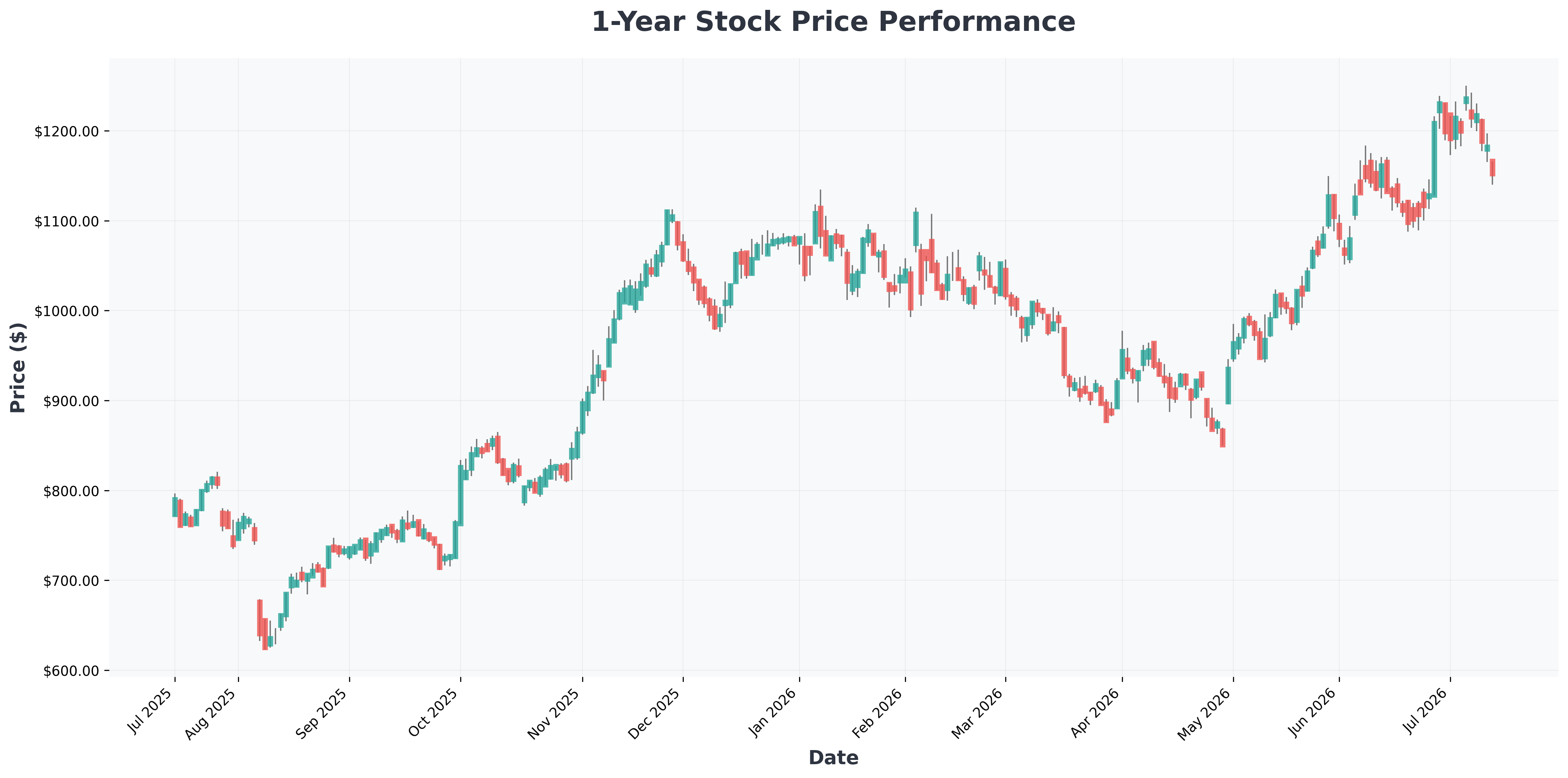
| LLY (Eli) | $1,144 | 40.69 | 32.77 | 107.46% | 49.39% | 55.50% |
| NVO (Novo) | $50 | 12.07 | 7.20 | 71.40% | 61.57% | 24.00% |
| PFE (Pfizer,) | $25 | 18.85 | 1.56 | 8.31% | 31.62% | 5.40% |
| RHHBY (Roche) | $51 | 20.67 | 7.81 | 37.27% | 29.99% | -0.40% |
| AZN (AstraZeneca) | $168 | 25.31 | 5.51 | 23.48% | 27.94% | 12.50% |

Scenario Analysis: The Bull vs. Bear Case for Oral Obesity Stocks 📊
📈 Bull Case (Best-Case Scenario)
- Catalyst: Oral GLP-1s show superior efficacy and safety in Phase 3 trials, leading to rapid FDA approvals.
- Outcome: Market growth accelerates past 12% CAGR. Telehealth becomes the primary prescription channel, creating a 'land grab' for early movers. Eli Lilly and Novo Nordisk see revenue multiples expand as they dominate a new $10B+ market.
- Investment Strategy: Go long on the leaders (LLY, NVO) and take calculated bets on promising biotechs with oral candidates (VKTX, GPCR).
📉 Bear Case (Worst-Case Scenario)
- Catalyst: Oral formulations fail to match the efficacy of injectables, or significant safety signals (e.g., GI side effects, pancreatitis) emerge.
- Outcome: Patient and physician adoption stalls. Market growth remains steady but unspectacular, closer to 7-8% CAGR. Companies with only injectable pipelines are punished, while oral-only biotechs face bankruptcy.
- Investment Strategy: Focus on diversified healthcare giants like Pfizer or Merck that have deep pipelines beyond obesity. Avoid pure-play obesity biotechs with no diversifying assets.
Final Verdict 🎯
The long-term trend is undeniable. The obesity market is a mega-trend, and the shift to oral therapies is the next logical step. While the market is currently priced for perfection in names like NVO and LLY, the 9.9% CAGR forecast provides a solid floor. Investors should note that this is a high-growth, high-regulation sector. Pipeline failures and pricing pressure from insurers are real risks. A diversified approach, combining a core holding in a leader with a small allocation to a high-upside biotech, offers the best risk/reward profile.
📚 Recommended Reading
- For a deep dive into another high-growth healthcare tech sector, check out our analysis on the Computer Vision in Healthcare Market.
- To understand the broader market context and how these pharma giants fit into the current macro environment, read our report on S&P 500 and Nasdaq dynamics amid geopolitical tensions.