Peter Thiel's Portfolio Is Turning on the Lights 💡
Wall Street is always hunting for the next guru. But history is littered with investors who hit one home run and then quietly faded. That's the lens through which you should view Peter Thiel's recent pivot toward power and energy stocks.
Thiel earned his reputation through legendary tech bets — an early stake in Facebook (now Meta), plus co-founding PayPal and Palantir. So when his hedge fund starts loading up on independent power producers like American Electric Power (AEP) and Vistra (VST), utility CMS Energy (CMS), and nuclear start-up X-Energy (XE), it's worth paying attention.
But attention is not the same as blind faith. As Buffett has repeatedly reminded shareholders, even the greats make mistakes. The smarter move is to understand why Thiel is leaning into electricity — then decide for yourself.
The Real Driver: A Step-Change in Electricity Demand ⚡
This isn't a random sector rotation. Electricity demand grew roughly 10% between 2005 and 2025 — but forecasts now point to a 60% jump between 2025 and 2045. That's a structural inflection, not a cyclical blip.
The culprits are familiar to anyone tracking tech: artificial intelligence data centers and electric vehicle adoption. AI training clusters consume power at industrial scale, and grid operators are scrambling to keep up. Thiel, who understands technology cycles better than most, appears to be positioning ahead of that curve.
For context on how capital is flowing into adjacent infrastructure themes, see our breakdown of microservices reshaping healthcare — another example of technology quietly rewriting a legacy industry's economics.
Why the Mix Matters
Thiel's picks span the full electricity value chain:
- Independent power producers: AEP, Vistra
- Regulated utilities: CMS Energy
- Next-gen nuclear: X-Energy
That's a lot of moving parts for investors with day jobs. Understanding each name — its regulatory exposure, fuel mix, and capital structure — takes real work.
The market is split on whether Thiel's power pivot is genius positioning or a late-cycle trap. Here's how both sides are framing it:

Two Ways to Play the Power Theme 📊
Option 1: Follow the Stock Picks
Buying AEP, VST, CMS, and XE individually gives you direct exposure to Thiel's thesis — but also concentrates stock-specific risk. X-Energy in particular is a start-up with execution risk that a regulated utility simply doesn't carry.
Option 2: Use a Diversified ETF
A fund like the Vanguard Utilities ETF (VPU) offers a cleaner way to ride the electricity theme without betting on any single management team.
| Metric | VPU Snapshot |
|---|---|
| AUM | ~$10B |
| Dividend Yield | 2.99% |
| Expense Ratio | 0.09% |
| Top Holdings | NEE (11.77%), SO (6.80%), DUK (6.41%) |
Technical Read
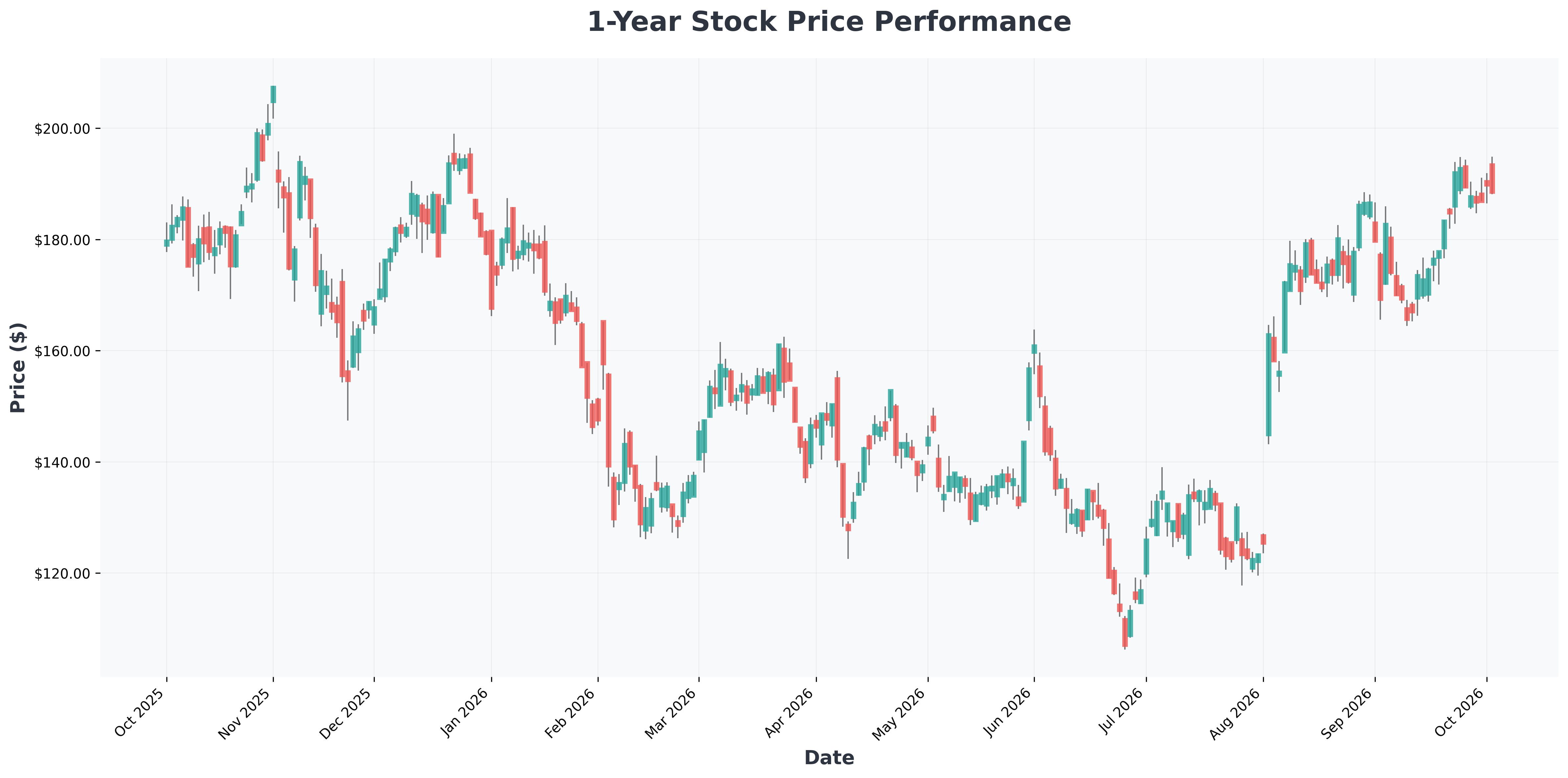
From a chart perspective, utility ETFs like VPU have historically acted as defensive rotation vehicles — they tend to outperform when growth names wobble and rate expectations stabilize. If the 10-year Treasury yield cools further, watch for VPU to test prior highs; a break below its 200-day moving average, however, would signal the theme is losing momentum.
A Quick Word on Broader Market Context
Sector rotations don't happen in a vacuum. For a sense of how quickly sentiment can flip, revisit our recap of Intel's 12% plunge and the two-day rally fade — a reminder that even strong narratives can reverse on a single earnings print.
📊 In-Depth Fundamental Analysis
| Company | Share Price | P/E Ratio | P/B Ratio | ROE | Operating Margin (OPM) | Revenue Growth |
|---|---|---|---|---|---|---|
| META (Meta) | $744 | 28.02 | 7.25 | 29.85% | 34.83% | 28.00% |
| PLTR (Palantir) | $189 | 162.67 | 46.39 | 38.10% | 47.12% | 92.80% |
| PYPL (PayPal) | $54 | 10.17 | 2.34 | 24.50% | 16.97% | 4.80% |
| CMS (CMS) | $64 | 19.34 | 2.11 | 9.16% | 17.17% | -0.50% |
| XE (X-Energy,) | $14 | 0.00 | 2.26 | 0.00% | -219.55% | 196.20% |
| AEP (American) | $120 | 20.81 | 2.04 | 10.13% | 23.25% | 7.00% |
| VST (Vistra) | $145 | 24.44 | 16.20 | 42.96% | 13.77% | -5.50% |
The Bottom Line 🎯
Peter Thiel's shift into power and energy isn't a meme trade — it's a bet on a decade-long demand curve powered by AI and electrification. But following a famous investor without doing your own homework is how retail portfolios get wrecked.
Best Case: Electricity demand accelerates as forecast, utilities re-rate higher, and Thiel's early positioning looks prescient. VPU and AEP could deliver steady total returns with dividends.
Worst Case: AI capex slows, rate cuts stall, and regulated utilities get squeezed by rising input costs. X-Energy, as a start-up, could see sharp drawdowns.
Practical Takeaway: If you lack the time to analyze each name, a diversified utility ETF is the lower-stress path. If you do the work, cherry-picking from Thiel's list can make sense — but size positions accordingly.
All investing carries risk of loss. Nothing here is financial advice — do your own research and consider your time horizon before acting.